
Table of Contents
- Why Moroccan Decor Resale Value Beats Mass-Produced Furniture
- What Holds Value: Hand-Knotted Rugs, Bone Inlay, and Antique Wood
- How to Authenticate Moroccan Furniture Before You Buy
- The Condition Factor: Grading Vintage Pieces for Resale
- Moroccan Home Decor Maintenance Tips That Preserve Market Value
- Documenting Provenance: The Receipt, Photos, and Appraisal Trail
- Best Platforms for Selling Luxury Home Decor in 2026
- Common Mistakes That Destroy Moroccan Decor Resale Value
- Conclusion: Buy Authentic, Maintain Diligently, Sell Strategically
- Frequently Asked Questions
Last Updated: September 5, 2026
Moroccan decor is often purchased as an impulse buy for its beauty, yet savvy collectors treat it as an appreciating asset. The moroccan decor resale value of handcrafted pieces frequently outpaces the depreciation seen in mass-produced furniture, making authentication and maintenance critical financial decisions. Below, we will show you exactly how to protect your investment through smart buying, diligent care, and strategic selling.
The gap between authentic craftsmanship and factory reproduction is not merely aesthetic; it is a fundamental difference in market value. Hand-knotted rugs, bone inlay chests, and antique wood pieces carry intrinsic worth because they cannot be replicated. This guide covers the seven strategies we recommend to every collector, from authentication techniques to condition grading, ensuring your Moroccan investment appreciates rather than depreciates.
Why Moroccan Decor Resale Value Beats Mass-Produced Furniture
The primary reason authentic Moroccan pieces outperform mass-produced furniture on the secondary market comes down to scarcity and labor intensity. A machine-made cabinet loses 70% of its purchase price the moment it leaves the showroom, whereas a hand-carved piece with genuine patina often sells for more than its original price after a decade of ownership.
Mass-produced furniture is engineered for obsolescence, using veneers and particleboard that cannot be repaired. Authentic Moroccan craftsmanship uses solid woods like cedar and thuya, hand-chiseled bone, and natural dyes that age gracefully. When you buy a piece built by master artisans, you are acquiring an investment piece with a finite supply, and the moroccan decor resale value reflects that rarity.
What Holds Value: Hand-Knotted Rugs, Bone Inlay, and Antique Wood
Not all Moroccan decor is created equal on the secondary market. Understanding which categories appreciate, which hold steady, and which depreciate is the first step to building a collection that pays you back. Based on market data from auction houses, specialty dealers, and online resale platforms, here is a breakdown of value retention and growth potential.
Appreciation vs. Depreciation: The Value Spectrum
| Category | Typical Resale Value Trend | Key Drivers | Example of Value Shift |
|---|---|---|---|
| Hand-knotted rugs (high knot density, natural dyes) | Appreciates over time | Rarity, craftsmanship, condition, provenance | A vintage Beni Ourain rug purchased for $1,500 in 2010 can resell for $3,000-$5,000 today if in excellent condition. |
| Camel bone and mother-of-pearl inlay furniture | Holds value; slight appreciation for museum-grade | Uniqueness, hand-chiseled detail, condition of inlay | A 1950s camel bone chest in excellent condition retains 80-100% of its original retail value after 20 years. |
| Antique wood pieces (cedar, thuya) | Holds value; appreciates if rare | Age, patina, original finish, structural integrity | A hand-carved thuya wood table from the 1940s can sell for 1.5-2x its original price at auction. |
| Machine-made reproductions | Depreciates rapidly | No scarcity, low labor intensity | A factory-made 'Moroccan-style' cabinet loses 70% of its value within 5 years. |
The Appreciation Power of One-of-a-Kind Pieces
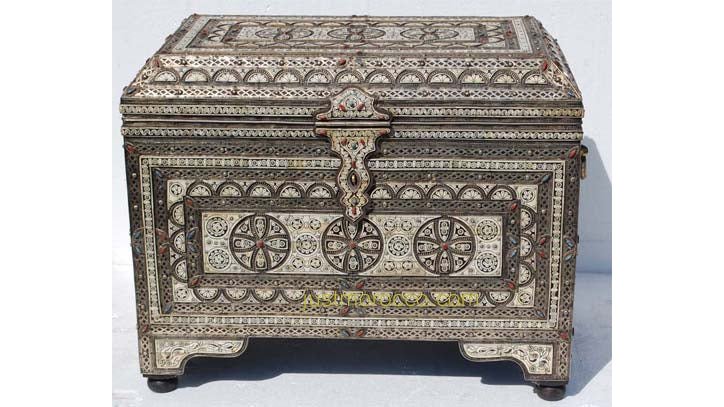
A one-of-a-kind camel bone chest, such as the piece Justmorocco offers at $7,800, is a singular work. It features hand-chiseled bone, old Touareg leather interior wrapping, and construction by master artisans. Because only one exists, its value is determined by auction dynamics rather than retail comparison, which means patient sellers often achieve prices above the original purchase point.
Why Hand-Knotted Rugs Are the Most Liquid Asset
Hand-knotted rugs are the most liquid Moroccan decor item because they are portable, have a well-established global market, and are easily appraised by knot density and wool quality. A rug with 100-150 knots per square inch (KPSI) is considered high quality and commands a premium. Natural dyes from plants and insects (e.g., madder root for red, indigo for blue) fade gracefully, creating a desirable patina that increases value. In contrast, synthetic dyes fade unevenly and reduce value.
The Role of Provenance in Appreciation
Provenance, documented history of ownership, origin, and age, can add 20-50% to the resale value of a piece. For example, a rug with a known tribal origin and a documented date of creation is more valuable than an identical rug without that history. Keep any certificates, receipts, or appraisals, and if buying from a dealer, ask for a written provenance statement.
Depreciation Traps: What to Avoid
- Machine-made 'Moroccan-style' items: These are mass-produced and have no scarcity or artisanal value. They depreciate like any other factory furniture.
- Poorly restored pieces: Over-restoration, such as replacing original inlay with modern materials, destroys value. Collectors pay a premium for original, untouched surfaces.
- Trend-driven purchases: Items bought because they are 'in style' (e.g., a specific color or pattern) may lose value when the trend fades. Classic, timeless designs hold value better.
Valuation Methodology: How to Estimate Resale Value
To estimate the resale value of a piece, follow these steps:
- Identify the category (rug, furniture, lighting, etc.) and determine if it is handcrafted or machine-made.
- Assess condition using the grading system in the next section (museum, excellent, good, fair).
- Research comparable sales on platforms like 1stDibs, Chairish, and eBay (completed listings) to see what similar pieces actually sold for.
- Factor in provenance and any documentation.
- Consult a professional appraiser for high-value items (over $1,000) to get a formal valuation.
By understanding these value drivers, you can make informed buying decisions that maximize your investment's potential.
How to Authenticate Moroccan Furniture Before You Buy
Authentication is the single most important step in protecting moroccan decor resale value. Without verifiable provenance, even the finest piece is reduced to a decorative object with limited secondary market appeal. You must verify three elements: material composition, construction method, and artisan origin.
Signs of Handmade Craft vs. Machine Reproduction
Authentic handcrafted pieces display irregularity. Examine the inlay work closely: hand-cut bone and mother of pearl will show slight variations in thickness and spacing, while machine reproductions are perfectly uniform. Run your hand across the surface; genuine hand-knotted rugs have a slightly uneven pile, and hand-carved wood reveals tool marks that machines cannot replicate.
Look for natural dyes that fade unevenly over time, creating a desirable patina, rather than synthetic colors that remain static. The back of a rug tells the story: hand-knotted pieces have an asymmetrical pattern visible on the reverse, whereas machine-made rugs are identical on both sides. For guidance on what to inspect, resources on identifying authentic handmade textiles and rugs outline the key structural differences between hand-knotted and tufted construction.
The Condition Factor: Grading Vintage Pieces for Resale
Condition grading determines where your piece sits on the resale spectrum. We use a four-tier system: museum grade, excellent, good, and fair. Museum grade pieces with original finishes and no repairs command the highest premium, while fair condition items with structural damage are primarily valued for their raw materials.
Structural integrity matters more than cosmetic wear. A rug with minor fringe wear but a solid foundation retains most of its value, whereas a piece with water damage or broken joinery loses significant worth. Document any repairs honestly, as undisclosed restoration work damages trust and reduces final sale prices on the secondary market.
Moroccan Home Decor Maintenance Tips That Preserve Market Value
Consistent maintenance is the most direct way to protect your investment. Dust bone inlay furniture weekly with a soft, dry cloth, and avoid commercial polishes that contain ammonia or silicone, which degrade the natural materials and compromise future moroccan decor resale value.
Protecting Mother-of-Pearl and Bone Inlay from Humidity
Humidity is the primary enemy of inlay work. Mother of pearl and camel bone are porous materials that expand and contract with moisture changes, causing pieces to loosen and fall out. In coastal climates with high humidity, maintain indoor relative humidity between 40% and 50% using a dehumidifier, and keep pieces away from direct sunlight, which causes the natural adhesives to break down.
For rugs, rotate them every six months to ensure even wear and fading. Vacuum gently without a beater bar, and address spills immediately with a dry cloth. Professional cleaning every two to three years by a specialist in vintage textile preservation techniques extends the life of natural dyes and fibers significantly.
Documenting Provenance: The Receipt, Photos, and Appraisal Trail
Provenance documentation is the difference between selling a "used furniture item" and a "collectible antique." Maintain a file containing the original receipt, high-resolution photographs of the piece from all angles, and any certificates of authenticity from the artisan or dealer.
A professional appraisal from a certified specialist strengthens your position when selling. Appraisers assess material quality, wool density, construction methods, and current market comparables. According to guidance from the American Society of Appraisers on personal property valuation, formal documentation of an item's history and condition is essential for establishing credible market value. Update appraisals every five years to track appreciation.
Best Platforms for Selling Luxury Home Decor in 2026
Choosing the right sales channel directly impacts your final sale price. The platform you select should match the quality and value of your piece, as the moroccan decor resale value of a luxury item is only realized when it reaches the right buyer. Here is a detailed breakdown of the top platforms, their fee structures, and how to maximize your return.
Platform Comparison: Fees, Audience, and Timeline
| Platform | Best For | Fees | Timeline | Price Realization |
|---|---|---|---|---|
| Auction Houses (e.g., Sotheby's, Christie's, regional houses) | Museum-grade antiques, rare rugs with provenance | 10-25% seller's commission + buyer's premium | 2-6 months (cataloging, marketing, auction date) | Highest for rare pieces; competitive bidding can exceed estimates |
| Online Marketplaces (e.g., 1stDibs, Chairish, eBay) | Mid-range to high-end pieces; broad reach | 1stDibs: ~20% commission; Chairish: ~20-30%; eBay: ~13% + payment processing | 1-4 weeks for listing; sale can take months | Variable; 1stDibs and Chairish attract design-conscious buyers willing to pay premiums, but fees are high |
| Specialty Dealers (e.g., Justmorocco, antique rug dealers) | Quick sales, authentic items, sellers without time to market | Typically 20-40% below retail; no upfront fees | 1-2 weeks | Fair, below retail; but fastest and most reliable for authentic pieces |
| Social Media (Instagram, Facebook Marketplace, Pinterest) | Direct-to-consumer sales, building a following | 0-5% (payment processing) | Variable; can be quick if you have a following | Can be high if you have a niche audience; requires marketing effort |
How to Appraise Your Piece Before Selling
Before listing, get a professional appraisal if your piece is worth over $1,000. Appraisers use three approaches:
- Market comparison: Recent sales of similar items.
- Replacement cost: What it would cost to replace the item new.
- Income approach: Rarely used for decor; more for income-generating assets.
For rugs, appraisers assess knot density, wool quality, dyes, and condition. For furniture, they examine joinery, materials, and originality. A formal appraisal costs $150-$500 but can help you set a realistic asking price and provide documentation for buyers.
Preparing Your Piece for Sale
- Clean gently: Dust and vacuum (for rugs) without using harsh chemicals. Do not wash or over-clean; patina is valuable.
- Photograph professionally: Use natural light, multiple angles, and close-ups of details and any flaws.
- Write a detailed description: Include dimensions, materials, age (if known), provenance, and condition grade.
- Be honest about condition: Disclose any repairs or damage. Undisclosed issues lead to returns and negative reviews.
Shipping and Logistics: Minimizing Costs and Risks
Shipping large or fragile items can eat into your profit. Consider these factors:
- Insurance: Always insure for the full value; shipping damage is a common risk.
- Packaging: Use custom crating for heavy furniture; for rugs, roll (never fold) and wrap in acid-free paper.
- Duties and taxes: If selling internationally, the buyer may be responsible for import duties, but clarify this in your listing. Duties can be 10-20% of the item's value.
- White-glove services: For high-value items, use a white-glove delivery service that handles packing, shipping, and setup.
Negotiation Strategies for Maximizing Price
- Set a realistic asking price: Research comparable sales and price slightly above your target to leave room for negotiation.
- Know your bottom line: Decide the minimum you will accept before negotiations start.
- Highlight provenance and condition: Emphasize any documentation, appraisals, or unique features.
- Be patient: If you are not in a hurry, wait for the right buyer. High-value pieces can take months to sell.
- Consider offers: On platforms like eBay, you can set a 'buy it now' price and also accept offers. On 1stDibs, buyers often negotiate.
Common Pitfalls to Avoid When Selling
- Overpricing: If your piece is not selling, research why, maybe the price is too high or the photos are poor.
- Underpricing: Do not accept the first offer without doing your research; you may be leaving money on the table.
- Poor photos: Listings with blurry or dark photos sell for less. Invest time in good photography.
- Ignoring fees: Factor all fees (platform, payment processing, shipping) into your net price.
By choosing the right platform and preparing your piece professionally, you can maximize your moroccan decor resale value and ensure a successful sale.
Common Mistakes That Destroy Moroccan Decor Resale Value
The most common error collectors make is over-cleaning. Aggressive scrubbing removes the natural patina that gives vintage pieces their value. Patina is not dirt; it is the accumulated character of decades of use, and its presence signals authenticity to buyers. Stripping it away transforms a valuable antique into a piece that looks artificially new and diminishes its worth.
Refinishing original surfaces is a second critical mistake. Sanding down an antique wood chest to remove scratches eliminates the original finish that collectors prize. Similarly, replacing damaged bone inlay with modern materials, rather than sourcing period-appropriate replacements, reduces the piece's integrity and its moroccan decor resale value. A third error is poor storage: keeping rugs folded in humid basements or attics invites moth damage and mildew, which are irreversible and catastrophic for value.
Conclusion: Buy Authentic, Maintain Diligently, Sell Strategically
Protecting your Moroccan decor investment requires discipline at every stage, from authentication at purchase to condition maintenance and strategic platform selection. The moroccan decor resale value of your pieces depends on the choices you make today, and the market rewards those who invest in genuine craftsmanship.
Justmorocco helps collectors acquire authenticated, one-of-a-kind pieces with documented provenance, from camel bone chests at $7,800 to antique mother of pearl chests at $4,500, each with verifiable handmade construction. Our direct import relationships and custom furniture imports ensure you receive pieces with the material quality and artisanal integrity that hold value over time. Get started with Justmorocco and build a collection that appreciates as it beautifies your home.
Frequently Asked Questions
Which types of Moroccan decor hold their value best over time?
Hand-knotted rugs with wool density and natural dyes, antique mother-of-pearl chests, and hand-carved camel bone furniture hold value best. These pieces represent authentic craftsmanship that cannot be mass-produced. One-of-a-kind items, like a vintage bone chair or a signed artisan rug, often appreciate because collectors seek rarity. Pieces with documented provenance and original patina command higher resale prices than refinished or heavily restored items.
How do I determine the authenticity of Moroccan furniture for resale?
Look for signs of handwork: irregular chisel marks on bone inlay, slight asymmetries in geometric patterns, and visible wool knots on rug backs. Authentic hand-knotted rugs have a foundation that bends easily, while machine-made rugs feel stiff. For wood pieces, check that joints are hand-pegged rather than stapled. Request documentation of materials, like cedar wood or genuine camel bone.
How should I clean and maintain Moroccan wood furniture to preserve its value?
Dust weekly with a soft, dry cloth. Avoid silicone-based polishes that build up and dull the patina. For mother-of-pearl or bone inlay, wipe with a nearly dry cloth and never let water pool in the crevices. Keep pieces away from direct HVAC vents and use a dehumidifier in humid climates. Apply a thin layer of natural beeswax every six months to nourish the wood without altering its finish. Store vintage textiles in breathable cotton, never plastic.
Where is the best place to sell high-end, handcrafted Moroccan decor?
Specialty dealers who understand Moroccan craftsmanship typically offer the fastest sales at fair prices, since they know the market. Online auction platforms reach global collectors willing to pay premiums for documented vintage pieces. For rugs, dedicated textile marketplaces attract serious buyers. Avoid general classifieds where buyers expect deep discounts. Always provide condition grading, provenance photos, and material details to justify your asking price.
This article was written using GrandRanker