
Table of Contents
- What Makes Authentic Moroccan Tile Different
- The Real Cost Breakdown: Material, Labor, and Installation
- Zellige Tile Bathroom Pros and Cons
- Durability and Moisture Resistance in Bathroom Environments
- Best Sealant for Zellige Bathroom Tiles and Maintenance Protocols
- Installation Challenges and Professional Requirements
- Long-Term Value and Resale Impact
- Is the Investment Worth It? Final Verdict
- Frequently Asked Questions
Last Updated: September 3, 2026
What Makes Authentic Moroccan Tile Different
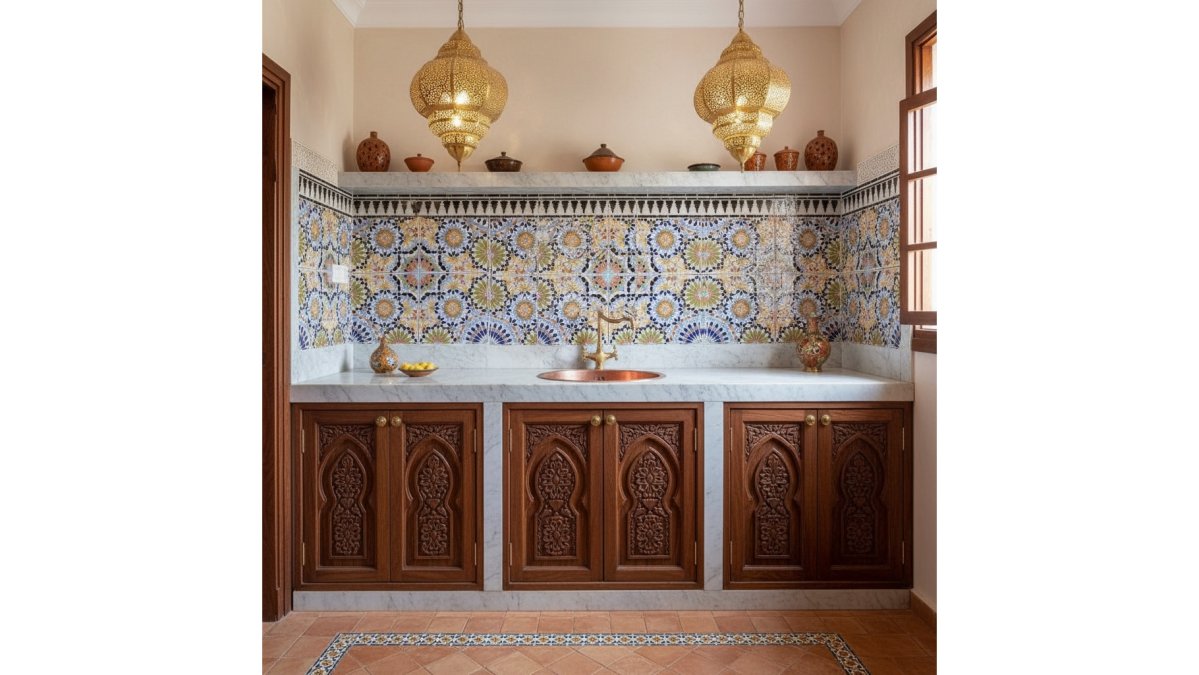
Authentic Moroccan tile, known as zellige, stands apart from mass-produced alternatives through its handcrafted nature. Hand-chiseled from natural clay in specific regions and kiln-fired using traditional methods, zellige creates tiles that are genuinely unique, with variations in color depth, surface texture, and geometric precision that machine-made tiles cannot replicate. No two tiles are identical, a feature that appeals to homeowners seeking authentic character but can complicate installation if uniformity matters to your design vision.
Handcrafted vs. Machine-Made Zellige
Authentic zellige comes from master artisans who cut each tile individually, creating slight variations in size, thickness, and glaze application. Machine-made alternatives use industrial processes that produce uniform tiles with printed patterns rather than true hand-applied glazes.
Authentic zellige exhibits color depth and enamel richness that develops through traditional kiln-firing, where the glaze becomes part of the clay body rather than a surface coating. Machine-made versions often use surface glazes that can wear, chip, or fade over time in high-moisture bathroom environments. The porosity and clay composition also differ: authentic zellige uses natural clay with specific moisture-resistance properties when properly sealed, while mass-produced alternatives may use different clay blends optimized for cost rather than durability.
When you choose authentic Moroccan tile, you invest in tiles that improve with age, the patina that develops adds character. Machine-made tiles show wear as degradation, a critical distinction in bathrooms where moisture, temperature fluctuations, and regular cleaning test tile integrity over decades.
The Real Cost Breakdown: Material, Labor, and Installation
Understanding the true cost of authentic Moroccan tile requires separating material expenses from labor and installation. Authentic zellige tiles typically start at $65 per square foot for standard patterns, with specialized designs commanding higher prices. A 50-square-foot bathroom accent wall would cost between $3,250 and $5,000 in materials alone. If you're seeking curated, handpicked selections, custom furniture imports services can help source specific tile designs that match your vision precisely.
Installation labor typically ranges from $8 to $15 per square foot when working with experienced professionals familiar with zellige's unique properties. This higher rate reflects the skill required, zellige tiles vary slightly in thickness, requiring installers to adjust mortar depth and grout lines to maintain visual consistency. A 50-square-foot project could incur $400 to $750 in labor costs.
Subfloor preparation adds another layer of expense. Bathrooms require waterproofing membranes installed before tile to prevent moisture penetration, typically costing $3 to $8 per square foot. Sealing and grout represent additional material expenses often overlooked in initial budgets, adding $100 to $300 to the project. The Alhambra Bathroom Tile Pack features 8" x 8" tiles at $165 per pack, with 12 tiles covering approximately 6 square feet.
| Cost Component | Typical Range | Notes |
|---|---|---|
| Authentic zellige tiles | $65-$150/sq ft | Varies by pattern complexity |
| Professional installation | $8-$15/sq ft | Higher for experienced zellige installers |
| Subfloor waterproofing | $3-$8/sq ft | Essential for bathroom moisture protection |
| Grout and sealant | $100-$300/project | Quality matters for long-term durability |
| Removal of existing tile (if needed) | $3-$8/sq ft | Adds to overall project cost |
Zellige Tile Bathroom Pros and Cons
The decision to invest in authentic Moroccan tile requires honest assessment of both advantages and limitations.
Pros of authentic Moroccan tile:
Aesthetic value stands as the primary advantage. Zellige tile creates visual impact that mass-produced alternatives cannot match, with color depth and hand-applied glaze giving bathrooms a luxurious, curated appearance. This aesthetic appeal has genuine resale impact in markets where distinctive design features command premium valuations.
Durability, when properly installed and maintained, exceeds many modern alternatives. Kiln-fired natural clay becomes harder and more durable with age, resisting chipping and cracking better than ceramic imitations. Timeless design ensures your bathroom won't feel dated within a decade, Moroccan tile patterns have remained aesthetically relevant for centuries.
Cons of authentic Moroccan tile:
Variation in tile dimensions creates installation complexity. Hand-chiseled tiles may vary by 1/8 inch in thickness and width, requiring experienced installers to adjust mortar depth continuously, increasing labor costs and extending timelines.
Porosity requires ongoing maintenance. Natural clay absorbs moisture and staining agents more readily than glazed ceramic, meaning regular sealing of grout joints and occasional tile maintenance becomes necessary to prevent discoloration and water damage.
Limited availability in specialty patterns means longer lead times. Custom zellige designs can require 8 to 12 weeks for production and shipping. Higher upfront costs create a significant financial barrier, with zellige bathroom projects typically costing 40-60% more than comparable installations using mass-produced alternatives.
Durability and Moisture Resistance in Bathroom Environments
Bathrooms present one of the most challenging environments for tile, with constant moisture, temperature fluctuations, and cleaning chemicals testing material integrity. Authentic Moroccan tile performs exceptionally well in these conditions, but only when installation and maintenance protocols are followed precisely.
Natural clay tiles fired in traditional kilns develop ceramic-like hardness that resists moisture penetration when the glaze remains intact. The enamel coating creates a protective barrier, but this protection depends entirely on proper sealing of grout joints and the underlying waterproofing membrane. If either component fails, moisture migrates behind the tile, causing damage that may not become visible until structural problems develop.
The porosity of natural clay (typically 5-10% water absorption) means zellige tiles absorb moisture more readily than low-porosity ceramic alternatives. This characteristic is manageable through proper waterproofing but requires homeowners to understand that neglecting grout sealing or allowing standing water to remain creates conditions for mold growth and material degradation.
Temperature cycling in bathrooms creates expansion and contraction stress. Authentic zellige tiles handle this stress better than brittle mass-produced alternatives because the clay body remains somewhat flexible. However, if tiles are installed over inadequate waterproofing or into subfloors with movement issues, grout joint failure and eventual tile displacement can occur.
Authentic Moroccan tile resists chemical damage that degrades many alternatives. The glazes used in traditional firing are more resistant to harsh cleaning products than modern surface coatings, a durability advantage that matters in bathrooms where regular cleaning with bleach or acidic cleaners is common.
Best Sealant for Zellige Bathroom Tiles and Maintenance Protocols
Protecting authentic Moroccan tile requires understanding the specific sealing and maintenance approach that preserves both function and aesthetics. The tile itself needs minimal protection, but grout joints are vulnerable to moisture penetration and staining.
Select a penetrating grout sealer specifically formulated for natural clay and porous tile applications. Penetrating sealers absorb into grout, hardening the material and blocking water infiltration. For bathroom installations, reapply grout sealer every 12-18 months, or immediately if you notice water beading on grout rather than absorbing.
The waterproofing membrane beneath the tile is equally critical. Use a liquid-applied or sheet-membrane waterproofing system designed for wet areas, applied according to manufacturer specifications. The membrane should extend 6 inches up walls and cover the entire subfloor, with particular attention to corners, pipe penetrations, and the shower/tub interface.
Daily and weekly maintenance routine:
After each shower, squeegee or wipe down zellige tile walls with a soft, dry cloth. This single step, taking 30 seconds, prevents mineral deposits and mold from forming in grout lines. Once weekly, clean tile surfaces with a soft cloth, warm water, and a pH-neutral tile cleaner (such as equal parts white vinegar and water). Avoid acidic cleaners like lemon juice or commercial bathroom cleaners containing hydrochloric acid, which can etch the glaze over time.
For grout lines, use a soft-bristled brush to gently remove visible mold or discoloration. If grout appears dingy but isn't moldy, a mixture of baking soda and water applied with a soft brush restores appearance without damaging the grout seal.
Monthly and seasonal protocols:
Once monthly, inspect grout joints visually for cracks, crumbling, or gaps. Small issues caught early prevent expensive structural damage. Every 6 months, test your grout sealer's effectiveness by sprinkling water on a grout joint. If water beads and rolls off, the sealer is still effective. If water absorbs into the grout, schedule resealing within the next month.
Seasonal deep cleaning (twice yearly) involves a more thorough inspection and cleaning. Inspect the caulk line where tile meets the tub or shower base; if caulk shows signs of separation or mold, remove it and re-caulk with 100% silicone caulk rated for wet areas.
What NOT to do:
Never use bleach directly on zellige tile or grout. If mold appears, use a diluted vinegar solution or a commercial mold remover specifically labeled safe for natural stone tile. Avoid steam cleaners on zellige tile, high-pressure steam can force water into grout joints and behind the tile. Do not use abrasive scrubbing pads, steel wool, or harsh scouring powders, which can scratch and dull the glaze.
Zellige tile maintenance is simpler than many homeowners expect. The routine outlined above requires no special skills or expensive products, and after the first month, these steps become automatic habits rather than burdensome tasks.
Installation Challenges and Professional Requirements
Installing authentic Moroccan tile demands expertise that extends beyond standard tile installation. The hand-chiseled nature of zellige creates specific challenges, but the most critical installation challenge is the moisture-proofing infrastructure that determines whether your investment survives decades or fails within years.
Tile-specific installation challenges:
Professional installers experienced with zellige understand that tile thickness variation requires continuous adjustment of mortar depth. Experienced installers pull tiles from multiple cartons during installation to distribute color and texture variations evenly. Grout line spacing becomes critical, zellige tiles typically require minimum 1/8-inch grout joints to accommodate thickness variation. Sanded grout works best with these joints, providing structural integrity and allowing for slight tile movement.
The learning curve for zellige installation means labor costs run 20-40% higher than standard ceramic tile work. Attempting this work with inexperienced installers creates risk of visible quality issues and potential structural problems.
Critical moisture-proofing protocols (the real foundation of success):
Subfloor preparation is non-negotiable. Bathrooms require solid, stable subfloors; any movement or flex undermines tile integrity. The waterproofing membrane is the single most important component of a zellige bathroom installation, yet it's invisible and often underestimated by homeowners.
The membrane must be installed in two layers in wet zones (shower walls and tub surrounds):
-
Primary waterproofing membrane: Apply a liquid-applied or sheet-membrane waterproofing system directly to the prepared subfloor and walls. This membrane must extend 6 inches up the wall above the tub rim or shower threshold, installed according to manufacturer specifications, typically requiring 24-48 hours cure time. The membrane should be 60-80 mils thick when fully cured.
-
Vapor barrier (secondary protection): In high-humidity bathrooms or coastal environments, install a vapor barrier (typically 6-mil polyethylene sheeting) behind the primary waterproofing membrane on walls. This prevents moisture vapor from migrating through the wall cavity.
All penetrations (pipes, vents, electrical outlets) must be sealed with waterproof caulk or membrane patches before tile installation. Grout joint sealing must occur before the tile is exposed to moisture. After grout cures (typically 48-72 hours), apply a penetrating grout sealer to all grout joints.
Caulk vs. grout at critical junctions:
Where tile meets the tub, shower pan, or any fixture, use 100% silicone caulk rather than grout. Caulk remains flexible as the tub and walls expand and contract with temperature changes, while grout is rigid and will crack under this stress. Reapply caulk every 3-5 years or whenever you notice separation or mold growth.
Selecting the right installer:
When hiring a tile professional, ask specifically about their experience with zellige tile in bathrooms. Request references from previous zellige projects and contact those homeowners to ask about long-term performance. Ask the installer to walk you through their waterproofing protocol in detail; if they cannot explain the specific membrane type, thickness, and curing requirements, they may lack the necessary expertise.
A qualified installer should provide a written warranty covering both labor and materials, typically 5-10 years for tile and grout work. The investment in experienced installation, paying 20-40% more than the lowest bid, is insurance against costly failures.
Long-Term Value and Resale Impact
Whether authentic Moroccan tile represents a sound investment depends partly on your timeline and market context. In markets where distinctive design features command premium valuations, particularly urban areas with design-conscious buyers, authentic Moroccan tile can add measurable resale value. A bathroom featuring professionally installed zellige tile demonstrates investment in quality and craftsmanship.
However, in conservative markets where buyers prefer neutral, mass-market aesthetics, distinctive zellige tile may limit your buyer pool. This market reality doesn't diminish the tile's inherent quality; it reflects buyer preferences and risk tolerance.
The long-term durability advantage of authentic zellige supports resale value indirectly. A bathroom featuring well-maintained zellige tile demonstrates structural integrity and thoughtful maintenance, which buyers value regardless of aesthetic preference. Consider the total project cost relative to your home's overall value. A $15,000 zellige tile bathroom in a $250,000 home represents 6% of home value, a reasonable investment in a key selling feature.
The timeless aesthetic of authentic Moroccan tile means your bathroom won't feel dated in 10-15 years, supporting long-term value retention.
Is the Investment Worth It? Final Verdict
Authentic Moroccan tile is worth the investment for bathrooms if you're committed to staying in your home long enough to appreciate the craftsmanship, understand and accept the maintenance requirements, have the budget to execute the project properly, and value aesthetic distinctiveness alongside functionality.
The investment makes strongest sense for homeowners in design-conscious markets, those with sufficient budgets to ensure professional installation and proper waterproofing, and those who view their bathroom as a sanctuary worth the financial commitment. The investment makes weaker sense if you're budget-constrained, on a tight timeline, plan to sell within 5-7 years, or prefer low-maintenance finishes.
Authentic zellige tiles, including options at $65 per square foot and the Alhambra Bathroom Tile Pack at $165, provide access to genuinely handcrafted materials that justify premium pricing through demonstrable quality and durability.
The decision ultimately rests on whether you value the tangible benefits, durability, timeless aesthetic, artisanal craftsmanship, enough to accept the higher costs and maintenance requirements. For homeowners who do, authentic Moroccan tile transforms a functional bathroom into a distinctive space that reflects personal style and investment in quality.
Frequently Asked Questions
How do you tell the difference between authentic handcrafted moroccan tile and mass-produced imitations?
Authentic zellige tiles are hand-chiseled from natural clay by master artisans, resulting in visible imperfections, color variation, and unique surface texture. Mass-produced versions have uniform sizing, consistent glaze, and lack the depth of color and dimensional variation. Genuine moroccan tile shows slight irregularities in edges and thickness, while machine-made tiles appear perfectly uniform. Ask suppliers for sourcing documentation and craftsman details, authentic zellige comes with provenance.
What is the best sealant for zellige bathroom tiles to prevent moisture damage?
Quality grout sealing is critical for bathroom zellige installations. Use a penetrating grout sealer specifically rated for ceramic tile in wet environments, applied after grout cures fully (typically 72 hours). The tile itself is naturally sealed by its kiln-fired glaze, but grout lines absorb moisture and require protection. Reapply grout sealer every 1-3 years depending on humidity levels. For high-moisture bathrooms, consider epoxy grout instead of standard sanded grout for superior waterproofing.
Are authentic moroccan tiles durable enough for bathroom use, or are they just decorative?
Authentic zellige tiles are fully functional for bathrooms when properly sealed and installed. Their kiln-fired terracotta clay and enamel glaze provide genuine durability in wet environments. However, their porosity means grout and subfloor waterproofing are essential, the tiles themselves resist moisture, but water behind them causes problems. With correct installation, sealing protocols, and maintenance, zellige performs well in bathrooms for decades. They're not purely decorative; they're engineered for both aesthetic and practical use.
Does investing in authentic moroccan tile increase home resale value?
Authentic moroccan tile has mixed resale impact. It appeals strongly to design-conscious buyers and adds distinctive architectural character, potentially increasing perceived value in upscale markets. However, it's a niche aesthetic, some buyers view it as too specific or difficult to replace, which can limit appeal. Resale value depends on local market preferences, overall bathroom design cohesion, and whether the installation complements or dominates the space. In design-forward markets, zellige tile can justify premium pricing; in conservative markets, it may not recover full investment.