
Table of Contents
- What Makes Authentic Moroccan Tea Glasses Worth Buying
- How to Verify Authenticity Before You Purchase
- Moroccan Silver Tea Glasses: Hand-Carved Teapot and Set
- Silver Tea Glasses Set: Three-Glass Serving Collection
- Warda Tea Glasses: Six-Piece Hand-Painted Set
- How to Clean Moroccan Tea Glasses Properly
- Heat Resistance and Safety Standards for Tea Service
- Styling Your Space with Moroccan Tea Glasses
- Supporting Artisan Craftsmanship Through Your Purchase
- Conclusion: Invest in Authentic Moroccan Tea Glasses
- Frequently Asked Questions
Last Updated: October 3, 2026
What Makes Authentic Moroccan Tea Glasses Worth Buying
Authentic moroccan tea glasses embody centuries of North African craftsmanship. Hand-blown Beldi glass, with its organic forms and subtle imperfections, carries the signature of artisan makers who've perfected their technique across generations, transforming everyday tea service into a ritual.
Genuine moroccan tea glasses feature hand-blown construction, irregular wall thickness, and removable silver or filigree holders reflecting traditional Moroccan metalwork. Each glass is unique, making them valuable as both functional items and decorative accents.
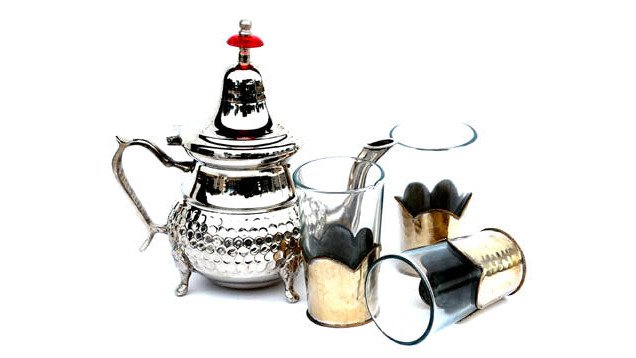
These glasses serve multiple purposes: traditional mint tea ceremonies, wine service, or sculptural home decor. Hand-blown glass withstands boiling water without cracking, making them genuinely functional for hot beverages and increasingly sought by interior designers for everyday use and tablescaping.
Supporting artisan craftsmanship through your purchase directly impacts traditional communities where these glasses are handmade using methods passed down through families, investing in cultural preservation alongside home beautification.
| Feature | Why It Matters |
|---|---|
| Hand-blown construction | Ensures durability and unique character |
| Silver/filigree holders | Traditional design, removable for cleaning |
| Heat resistance | Withstands boiling water without thermal shock |
| Organic glass forms | Authentic craftsmanship, no two alike |
| Versatile uses | Tea, wine, decorative display |
How to Verify Authenticity Before You Purchase
Distinguishing genuine moroccan tea glasses from industrial replicas requires understanding the manufacturing signatures hand-blowing leaves behind. Most buyers get misled when sellers claim "authentic" without explaining what that means in physical terms.
The Pontil Mark: Your Primary Authenticity Indicator
Authentic hand-blown moroccan tea glasses display a pontil mark on the base, a small indentation or rough spot where the glassmaker's tool separated the piece from the blowpipe. Examine the base under direct light for either a circular depression or raised bump. Industrial glass has a perfectly flat, uniform base. If a seller claims hand-blown glasses but the base is flawlessly smooth, that's a red flag.
Wall Thickness Variation: The Feel Test
Authentic hand-blown pieces have noticeably uneven wall thickness, one side thicker, another thinner, from a glassmaker's hand controlling the blowpipe. Hold several glasses side by side; authentic pieces will vary from one another. Industrial glass maintains consistent thickness across all pieces in a batch.
The Rim Profile: Subtle but Telling
Authentic rims are rarely perfectly circular or uniformly smooth; you may notice slight waviness or subtle irregularities. Machine-made glass has a mathematically perfect rim. If every glass in a "hand-blown" set has an identical rim profile, they're likely industrial.
Holder Attachment: Metalwork Clues
Authentic pieces show hand-finishing: slightly uneven solder lines, hand-hammered metal texture, and subtle asymmetries. Industrial holders are machine-welded with perfectly smooth, uniform solder lines. Check whether holders are removable or permanently attached; authentic moroccan tea glasses typically feature removable sleeves or soldered metalwork with clear hand-work evidence.
Weight and Density: The Heft Test
Hand-blown glass often incorporates recycled components, making authentic pieces slightly heavier than virgin industrial glass. Authentic glasses will have slight weight variations due to uneven wall thickness. If multiple "hand-blown" glasses weigh exactly the same, that's a manufacturing consistency indicator.
Color and Clarity Variations
Authentic hand-blown moroccan tea glasses often display subtle color variations within a single piece or across a set. Industrial glass is formulated for color uniformity; if your "authentic" set has zero color variation, question the claim.
Sourcing Transparency: The Documentation Test
Reputable sellers provide verifiable information about where and how the glasses are made. Ask which region of Morocco, the artisan workshop name, whether pieces are newly handmade or vintage, and for production photos. If a seller cannot answer these questions or provides vague responses, they may be sourcing from middlemen or industrial producers.
The Price Reality Check
Research comparable pieces from established importers to calibrate expectations.
What to Request Before Purchasing
Ask sellers for close-up photos of the pontil mark, rim profile, and holder attachment, plus images held up to light. If a seller won't provide these details, shop elsewhere.
Moroccan Silver Tea Glasses: Hand-Carved Teapot and Set
The Moroccan silver tea glasses set from Justmorocco pairs three hand-blown glasses with a hand-carved teapot. The teapot measures 7" × 8"; each glass stands 3" tall with a 2.5" diameter. Every teapot varies slightly due to its handmade nature, a feature, not a limitation. Silver-bottom glasses provide thermal protection and aesthetic refinement. At $65.00, this set suits small gatherings or daily use for two to three people.
Silver Tea Glasses Set: Three-Glass Serving Collection
The Silver tea glasses set offers the same hand-carved teapot and three glasses with identical dimensions. Other colors and designs are available upon request, reflecting the artisan-driven production model. At $65.00, this set is ideal as a gift and will last for years with proper care.
Warda Tea Glasses: Six-Piece Hand-Painted Set
The Warda tea glasses set delivers six hand-painted glasses with removable silver holders, each 3.5" high by 2" wide. Hand-painted moroccan tea glasses combine artistry with utility, making them appealing for display. Removable holders allow separate washing and extend the set's lifespan. At $42.00, the Warda set offers exceptional value per glass for larger gatherings.
How to Clean Moroccan Tea Glasses Properly
Hand-wash moroccan tea glasses only; never use the dishwasher. Use warm water and mild dish soap with a soft cloth. For mineral deposits, soak briefly in equal parts white vinegar and water, then rinse and dry immediately. Clean silver holders separately with silver-specific polish. Store upright in a cabinet or open shelf; avoid stacking. Keep away from direct sunlight to prevent fading hand-painted details.
Heat Resistance and Safety Standards for Tea Service
Authentic hand-blown moroccan tea glasses are engineered for hot-beverage service, but understanding their thermal properties and safety limits prevents damage and ensures safe use.
Thermal Shock Resistance: Why Hand-Blown Glass Performs Better
Hand-blown moroccan tea glasses typically use soda-lime glass, the same material used in most drinkware globally. However, the hand-blowing process creates a subtle advantage: the irregular wall thickness and slower cooling of hand-blown pieces result in more even stress distribution compared to rapidly cooled industrial glass.
Thermal shock occurs when a cold glass is filled with boiling water, or a hot glass is placed on a cold surface. The outer glass expands faster than the inner glass, creating internal stress that can cause fracturing. Hand-blown glass, with its thicker and thinner sections, distributes this stress more gradually.
That said, avoid extreme temperature transitions. Don't move a glass directly from boiling tea to ice water, and don't place a hot glass on a cold countertop. Instead, set hot glasses on trivets or heat-resistant surfaces and allow them to cool gradually.
The Role of Filigree Holders: Insulation and Safety
The silver or filigree holders that accompany authentic moroccan tea glasses serve a critical safety function beyond aesthetics. Metal conducts heat away from the glass and provides insulation for your hands. This design allows you to hold a glass filled with near-boiling tea comfortably, something you couldn't do with bare glass. The holder also protects the glass from direct contact with hard surfaces, reducing the risk of thermal shock from sudden cooling.
When using removable holders, ensure they fit snugly around the glass. A loose holder won't provide adequate insulation and may slip during pouring or sipping. Permanent holders, soldered to the glass, eliminate this concern but require careful cleaning to avoid damaging the solder joint.
Lead Content and Food Safety Standards
Hand-blown glass used in food and beverage service should be lead-free. Lead can leach into hot liquids over time, particularly acidic beverages like tea with lemon. Reputable importers source from artisans who understand safety requirements and use lead-free glass formulations.
When purchasing, ask the seller directly: "Are these glasses lead-free?" If a seller cannot answer this question or seems uncertain, consider it a red flag. Lead-free glass is standard in legitimate artisan production; the absence of this assurance suggests either lack of knowledge or sourcing from unreliable producers.
Cadmium and Other Heavy Metals
Beyond lead, hand-blown glass should be free of cadmium and other heavy metals that can leach into beverages. Cadmium is sometimes used in decorative glass colorants, particularly in hand-painted pieces.
If you're purchasing hand-painted moroccan tea glasses (such as the Warda collection), confirm that the paint is food-safe and cadmium-free. For plain hand-blown glass without paint, the risk is minimal, but it's still worth asking.
Maximum Temperature Guidelines
Hand-blown moroccan tea glasses can safely hold boiling water (212°F / 100°C) without cracking, provided you follow these guidelines:
- Preheat the glass by rinsing it with hot water before pouring boiling tea. This reduces the temperature differential and minimizes thermal shock risk.
- Pour slowly rather than rapidly filling the glass. This allows the glass to heat gradually.
- Avoid direct contact with cold surfaces immediately after use. Set the glass on a trivet or heat-resistant surface.
- Don't microwave or oven-heat these glasses. Microwave heating can create internal stress, and oven heating may damage the filigree holders.
- Allow cooling time before washing. Don't plunge a hot glass into cold water.
Following these practices, hand-blown moroccan tea glasses will last for decades without thermal damage.
Durability and Longevity
Authentic hand-blown moroccan tea glasses are designed for daily use and will outlast most industrial glassware if handled properly. The hand-blown construction, while appearing delicate, is actually quite durable. The irregular wall thickness distributes impact stress more evenly than uniform industrial glass, making these pieces less prone to chipping from minor drops.
The primary vulnerability is the filigree holder attachment. Permanent solder joints can occasionally crack if the glass is dropped hard, but removable holders eliminate this risk entirely. If a holder is damaged, many artisans can repair or replace it, extending the lifespan of the glass indefinitely.
Cleaning and Maintenance for Safety
Proper cleaning prevents damage and maintains safety:
- Hand-wash only. Dishwashers subject glasses to rapid temperature changes and high heat that can cause thermal shock or damage the holders.
- Use warm, not hot, water. Avoid sudden temperature transitions during cleaning.
- Dry immediately with a lint-free cloth to prevent water spots and mineral deposits.
- Store upright in a cabinet or on open shelving where they won't be jostled or stacked.
With these practices, your moroccan tea glasses will remain safe and beautiful for years of use.
Styling Your Space with Moroccan Tea Glasses
Moroccan tea glasses function as both serving vessels and decorative objects, making them valuable styling elements beyond the tea service itself. Display them on open shelving in kitchens or dining areas where their hand-blown forms and metalwork catch light. The organic variations in each glass create visual interest that mass-produced glassware cannot replicate.
Consider grouping moroccan tea glasses with complementary Moroccan decor elements: a brass serving tray, woven placemats, or a decorative tea service cloth. This curated arrangement transforms a corner into a focal point that communicates cultural sophistication and intentional design. The glasses work particularly well in bohemian, eclectic, or globally-inspired interiors. If you're seeking to create a fully coordinated Moroccan aesthetic, custom furniture imports can help you source complementary pieces that match the authenticity and craftsmanship of your tea glasses.
For entertaining, serve wine or specialty beverages in moroccan tea glasses to create conversation pieces. Their distinctive appearance and cultural heritage make them memorable serving vessels that guests will notice and appreciate. This unexpected use signals thoughtful hosting and adds texture to your table styling.
In bathrooms, group several glasses on floating shelves as sculptural elements. The interplay of light through the hand-blown glass and the metalwork creates subtle visual interest. This unconventional placement demonstrates confidence in design and transforms functional objects into art.
Supporting Artisan Craftsmanship Through Your Purchase
When you buy authentic moroccan tea glasses, your investment directly supports traditional artisan communities. The hand-blown glass and hand-carved pottery techniques represent knowledge systems developed over centuries. By choosing authentic pieces over industrial alternatives, you preserve these cultural practices and ensure their continuation.
Many artisans who create moroccan tea glasses work in family-based workshops where knowledge passes from generation to generation. A master craftsperson trains apprentices in techniques that cannot be replicated by machines. Your purchase funds this educational transmission and maintains economic viability for these communities.
Justmorocco's commitment to authentic imports means direct relationships with artisan producers. This model ensures fair compensation for craftspeople and eliminates exploitative middlemen. When you purchase through established importers rather than mass-market retailers, a larger percentage of your investment reaches the actual makers.
Consider the sustainability angle as well.
Conclusion: Invest in Authentic Moroccan Tea Glasses
Finding authentic moroccan tea glasses online requires knowing what to look for and where to source them. The hand-blown construction, filigree holders, and cultural authenticity distinguish genuine pieces from mass-produced imitations. Justmorocco offers three proven collections, the hand-carved teapot sets at $65.00 each and the larger Warda six-piece collection at $42.00, each handmade by artisans and imported directly to preserve authenticity.
These aren't merely functional items; they're investments in cultural heritage, artisan support, and distinctive home styling. Whether you're establishing a moroccan tea service tradition or adding decorative pieces that reflect your design sensibility, these glasses deliver both beauty and genuine craftsmanship. Get started with Justmorocco's moroccan tea glasses and bring the timeless elegance of traditional North African artistry into your home today.
Investing in authentic moroccan tea glasses transforms how you experience tea service and display your appreciation for global craftsmanship. Justmorocco's hand-blown collections feature removable silver holders, heat-resistant glass, and the unique variations only true artisan production creates. Each set arrives ready to use, with the cultural authenticity and durability that distinguish handmade pieces from industrial alternatives. Browse our moroccan tea glasses collection and discover why discerning homeowners choose authentic imports over mass-produced substitutes.
Frequently Asked Questions
How can you tell if Moroccan tea glasses are authentic?
Authentic Moroccan tea glasses display hand-blown imperfections, organic glass forms, and visible air bubbles that mass-produced items lack. Check for hand-painted motifs and filigree holder work that shows variation between pieces. Verify the seller sources directly from artisan craftspeople in Morocco and can document the maker's name or region. Authentic pieces are heavier than thin imported glass and should feel substantial when held. Request photos of the artisan or workshop, and confirm the glasses are handmade, not factory-produced items marked as artisanal.
Are Moroccan tea glasses dishwasher safe?
Most hand-blown Moroccan tea glasses should be hand-washed to preserve their delicate hand-painted designs and filigree holders. The high heat and harsh cycles of dishwashers can damage the decorative elements and weaken the glass over time. Wash gently in warm water with mild soap, and dry immediately with a soft cloth. Hand washing also extends the life of removable silver glass holders, which are often ornamental and not designed for mechanical washing. Always check specific care instructions with your purchase, as some artisan pieces have unique finishes requiring special care.
What is the traditional way to serve tea in Moroccan glasses?
The Moroccan tea ceremony centers on mint tea served in hand-blown Beldi glasses placed in ornate filigree holders. Tea is poured from height to create a foamy top, a sign of respect and skill. Glasses are arranged on a serving tray with small handles or decorative bases. The ritual emphasizes hospitality and conversation, with tea served in rounds. Authentic Moroccan tea glasses are designed to be held by their metal holders, keeping hands safe from the heat of boiling water. This traditional serving style transforms the experience from simple refreshment into a cultural practice that celebrates craftsmanship and connection.
What makes hand-painted Moroccan tea glasses different from other decorative glassware?
Hand-painted Moroccan tea glasses feature Moorish motifs, geometric patterns, and filigree designs applied individually by artisans, making each piece unique. Unlike mass-produced decorative glassware, these pieces combine functional utility with artistic expression. The hand-painted details often include traditional North African symbols and colors that reflect centuries of cultural heritage. Each glass varies slightly due to the handmade nature, ensuring no two sets are identical. This artisanal approach means your tea service becomes both functional tableware and a statement of authentic cultural appreciation in your home.