
Table of Contents
- Understanding Moorish Architectural Design
- Authentic Zellige Tiles and Moroccan Ceramic Alternatives
- Moroccan Interior Design Style Through Arches and Structural Elements
- Islamic Geometric Patterns for Home Decor
- Modern Sustainable Alternatives to Traditional Moorish Design
- Cost-Benefit Analysis: Authentic vs. Reproduction Pieces
- Maintenance and Care for Moorish Architectural Elements
- Choosing the Right Moorish Design Alternative for Your Space
Last Updated: August 11, 2026
Understanding Moorish Architectural Design
Moorish architectural design is a sophisticated aesthetic rooted in Islamic, North African, and Spanish medieval traditions that emphasizes geometric symmetry, intricate ornamentation, and rich material craftsmanship. Hallmark characteristics include horseshoe arches, zellige tilework, arabesque patterns, and ornamental stucco finishes.
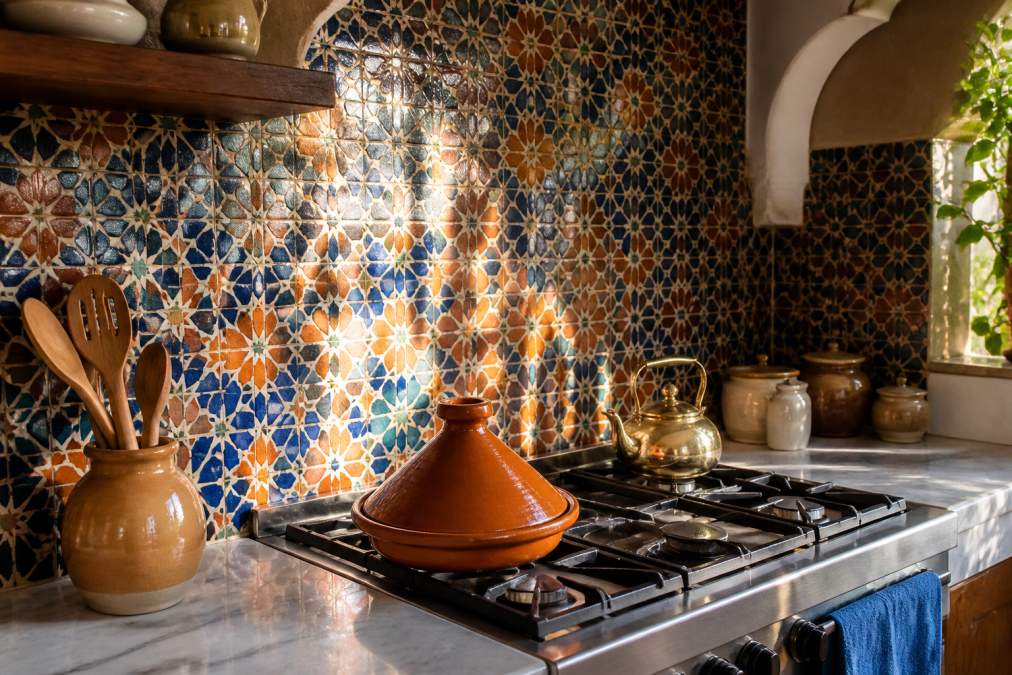
Modern interpretations range from handcrafted reproduction tiles to sustainable contemporary materials that capture the aesthetic while offering practical benefits. At Justmorocco, we recognize that bringing moorish architectural design into your home doesn't require importing every element directly from Morocco, strategic alternatives can deliver the same visual impact with greater flexibility and improved durability for North American climates.
The challenge many face is distinguishing between authentic pieces and mass-produced imitations. This guide explores the full spectrum of moorish architectural design alternatives, from premium handcrafted options to budget-conscious substitutes, helping you make informed decisions that align with your aesthetic vision and practical requirements.
Authentic Zellige Tiles and Moroccan Ceramic Alternatives
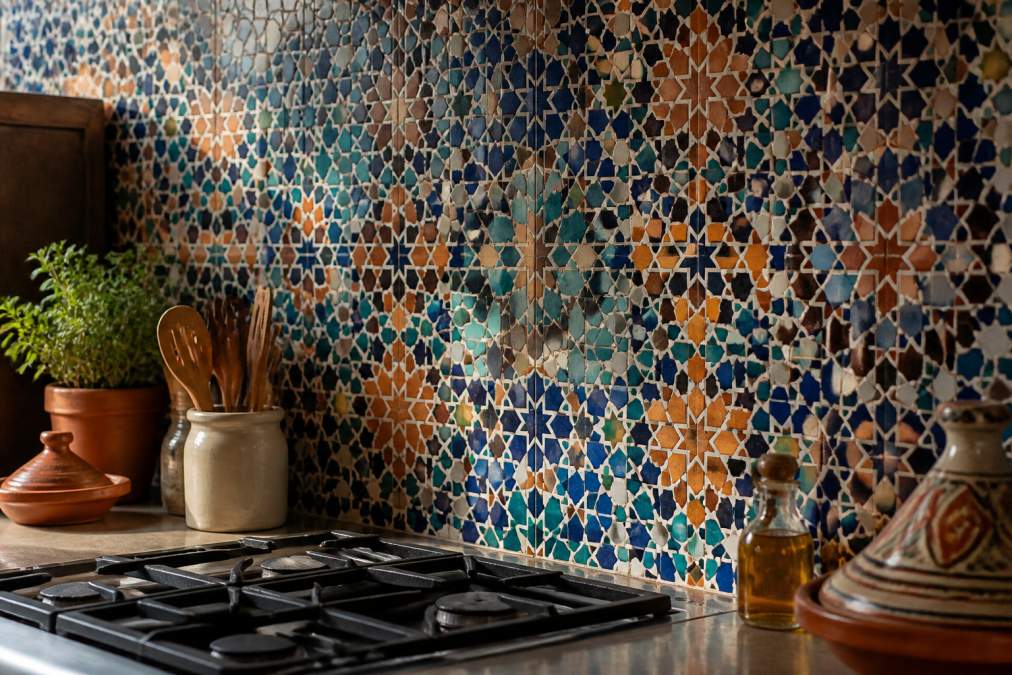
Zellige tiles represent the pinnacle of moorish architectural design authenticity. These hand-cut ceramic pieces, traditionally produced in Fez and other Moroccan cities, are individually shaped to fit together in intricate geometric patterns. Each tile is fired multiple times and glazed by hand, creating subtle color variations and depth that mass-produced tiles cannot replicate.
Authentic zellige comes with specific quality certifications. The Zellige de Fès Quality Label guarantees that tiles are produced by master artisans using traditional methods in Fez, Morocco. Suppliers like My Moroccan Tile maintain direct relationships with these artisans, ensuring your investment supports genuine cultural heritage. Expect project-quote pricing, as each commission is essentially custom work.
Zia Tile provides handmade zellige alternatives with a wider range of shapes, bejmat bricks, 4x4 squares, 2x6, 2x2, hex, and trapezoid, allowing greater design flexibility. Installation requires experienced tile setters familiar with zellige's unique properties; standard tile mortar won't work properly with irregularly shaped pieces.
For those seeking moorish architectural design elements without full zellige coverage, use authentic zellige as an accent, fireplace surround, kitchen backsplash border, or bathroom feature wall, paired with complementary encaustic cement tiles or contemporary geometric patterns.
Moroccan Interior Design Style Through Arches and Structural Elements
Arches form the structural and visual backbone of moorish architectural design. The distinctive horseshoe arch, wider at the base and narrower at the top, creates the dramatic silhouettes that define this aesthetic. Beyond the horseshoe, Moroccan interior design style incorporates pointed arches, multifoil arches, and decorative blind arches that create visual rhythm and authenticity.
Creating authentic arches in existing homes presents challenges. Structural modifications require engineering approval and wall reinforcement. Prefabricated and decorative alternatives become invaluable for homeowners unwilling or unable to undertake major construction.
Prefabricated and Custom Archway Solutions
Prefabricated archway kits save time and ensure precision. Archway Kits specializes in custom fabrication to your exact dimensions, whether framing a doorway, creating a room divider, or adding decorative arches above windows. These kits arrive ready for installation, typically requiring only finish carpentry and paint or stain. Material is usually engineered wood or composite, costing a fraction of solid hand-carved wood and installing in days rather than weeks.
Custom archway solutions from specialized fabricators offer middle ground. These shops create arches from solid wood, stone, or plaster to your specifications, incorporating hand-carved details that approximate traditional moorish architectural design. Lead times extend to 8-12 weeks, and costs rise accordingly, but results are substantially more authentic than prefabricated options.
Decorative Plaster and Stucco Finishes
Stucco and plaster finishes were the canvas for moorish architectural design's most intricate ornamentation. Arabesque patterns, calligraphic elements, and geometric reliefs were carved or molded into thick plaster, then often painted or gilded.
The Decora Company supplies premium decorative plasters including Venetian Plaster and specialized lime finishes that approximate traditional stucco. Applied correctly, Venetian Plaster evokes the luminous quality of aged plaster in historic moorish interiors. Application requires skilled craftspeople; this is not a DIY project.
DecoCraft USA manufactures gypsum plaster mouldings and ornaments that can be applied to walls and ceilings to create relief patterns reminiscent of moorish architectural design. A single decorative plaster panel installed above a doorway or fireplace can establish the style without overwhelming the space.
Islamic Geometric Patterns for Home Decor
Islamic geometric patterns are the intellectual and visual heart of moorish architectural design. These patterns emerge from mathematical principles, tessellation, symmetry, and modular repetition that create visual complexity from simple geometric rules. Squares, stars, hexagons, and interlocking shapes combine to form patterns that seem to extend infinitely, creating a meditative quality.
Incorporating Islamic geometric patterns into your home doesn't require commissioning custom tilework or plaster relief. Contemporary alternatives range from framed wall art to fabric, wallpaper, and prefabricated screens that capture the aesthetic with minimal installation.
Mashrabiya Screens and Jali Lattice Alternatives
Mashrabiya screens, also called jali screens, are wooden or stone lattice panels traditionally used in Islamic architecture to provide privacy while allowing light and air circulation. In moorish architectural design, these screens appear on windows, creating dramatic shadow patterns as light passes through.
Authentic wooden Mashrabiya screens are handcrafted by specialized artisans and command premium prices. Metal Master Fabrication produces aluminum Mashrabiya screens that blend traditional Islamic geometric patterns with contemporary materials. Aluminum is lightweight, corrosion-resistant, and requires minimal maintenance, a significant advantage over wood in humid or coastal climates.
For budget-conscious alternatives, Zowaqa offers framed arch wall decor inspired by Islamic and Mashrabiya designs, made to order in the United States. These pieces are constructed from plywood with painted or stained finishes, then framed and ready to hang. Sizes and designs are customizable, with prices starting around $125 for smaller pieces.
Framed Arch Wall Decor and Geometric Art
Framed geometric art inspired by moorish architectural design offers accessible alternatives. Zowaqa's framed arch collection includes Moroccan, Spanish, and Islamic geometric designs that capture the essence of moorish style without requiring structural modification. Each piece is made to order, allowing customization of size, finish, and design.
The advantage of framed geometric art is flexibility. You can experiment with moorish architectural design without permanent commitment. Prices are substantially lower than custom plaster or tilework, and installation is immediate.
Modern Sustainable Alternatives to Traditional Moorish Design
Authenticity and sustainability increasingly intersect. Traditional moorish architectural design relied on locally sourced materials, clay for tiles, stone for arches, timber for screens. Contemporary sustainable alternatives honor these principles while addressing modern environmental concerns.
Encaustic cement tiles represent a sustainable middle ground between authentic zellige and mass-produced ceramics. These tiles are handmade using traditional techniques but from recycled and sustainable materials. They offer the geometric pattern diversity of moorish architectural design with lower environmental impact than virgin clay tiles.
Reclaimed and salvaged materials offer another sustainable path. Architectural salvage yards occasionally stock authentic zellige, carved plaster elements, and wooden screens from demolished moorish-inspired buildings. These pieces carry genuine history and reduce demand for new production.
Cost-Benefit Analysis: Authentic vs. Reproduction Pieces
The decision between authentic moorish architectural design elements and reproductions hinges on your priorities, budget, and timeline. Authentic pieces, handcrafted zellige, custom plaster work, solid wood screens, command premium prices. Custom plaster work requires skilled artisans and extends project timelines to months.
Reproduction alternatives deliver moorish aesthetic at 20-50% of authentic costs. Installation is faster, materials are consistent, and maintenance is simpler. A hybrid approach often delivers optimal results: invest in authentic zellige for a high-visibility focal point, fireplace surround, kitchen backsplash, or entryway, then use reproduction alternatives for supporting elements.
Maintenance and Care for Moorish Architectural Elements
The durability and maintenance requirements of moorish architectural design elements vary dramatically by material and construction method.
Zellige tiles are durable but demand specific care. The glazed surface resists staining but can chip if struck forcefully. Grout requires sealing and occasional regrouting as it ages. Cleaning zellige is straightforward, mild soap and water suffice. Avoid acidic cleaners that can dull the glaze.
Plaster and stucco finishes are more vulnerable. In dry climates, they last centuries with minimal maintenance. In humid environments, they crack and deteriorate more rapidly. Proper ventilation, moisture barriers, and periodic inspection are essential.
Wooden screens and carved elements require seasonal care. Wood expands and contracts with humidity and temperature changes. In stable indoor environments, this is manageable. In humid coastal climates, wood deteriorates rapidly.
Metal screens, particularly aluminum Mashrabiya, require minimal maintenance. Occasional dusting and cleaning with mild soap and water suffice. Unlike wood, aluminum won't warp or rot.
Framed geometric art requires only standard picture frame maintenance. Glass should be kept clean, and frames should be inspected periodically for dust accumulation.
Choosing the Right Moorish Design Alternative for Your Space
Selecting the appropriate moorish architectural design alternative requires honest assessment of your priorities, constraints, and long-term vision.
Start by defining your aesthetic goal. Are you seeking to create an authentically moorish environment? Or are you incorporating moorish elements into a contemporary eclectic home? Authentic goals demand authentic materials and craftsmanship. Eclectic goals offer more flexibility.
Evaluate your climate and environment. Coastal humidity, extreme temperature swings, and moisture-prone rooms demand durable, low-maintenance materials. Plaster and wood struggle in these conditions; tiles, metal, and synthetic materials thrive.
Consider your timeline. Authentic moorish architectural design elements often require months of lead time. Prefabricated alternatives and reproductions deliver in weeks.
Assess your budget honestly. Authentic moorish architectural design is expensive. Reproduction alternatives cost substantially less. A hybrid approach often delivers the best value.
Think about maintenance and durability. Are you prepared to care for delicate handcrafted pieces? Will you accept the aging and patina that come with authentic materials? Or do you prefer consistent, low-maintenance alternatives?
Justmorocco specializes in custom kitchen and bathroom remodeling projects that integrate authentic moorish architectural design with modern functionality. Our handcrafted furniture, mother-of-pearl inlays, and custom cabinetry elevate your space with genuine artisanal quality. Whether you're seeking a single statement piece or comprehensive design integration, our team works with your architect and designer to ensure authentic moorish aesthetic meets your practical requirements and timeline.
| Alternative Type | Authenticity Level | Cost Range | Installation Time | Maintenance Level | Best For |
|---|---|---|---|---|---|
| Authentic zellige tiles | Highest | Premium | Weeks | Moderate | Focal points, luxury projects |
| Encaustic cement tiles | High | Moderate-Premium | Weeks | Moderate | Sustainable alternatives, pattern variety |
| Custom plaster work | Highest | Premium | Weeks-Months | High | Architectural ornamentation, ceilings |
| Prefabricated arches | Medium | Moderate | Days-Weeks | Low | Doorways, room dividers |
| Wooden Mashrabiya screens | Highest | Premium | Weeks | High | Windows, focal room dividers |
| Aluminum Mashrabiya screens | Medium-High | Moderate-Premium | Weeks | Low | Durable, coastal environments |
| Framed geometric art | Medium | Low-Moderate | Days | Minimal | Renters, experimental spaces |
| Decorative plaster panels | Medium-High | Moderate | Days-Weeks | Moderate | Accent walls, architectural details |
The moorish architectural design aesthetic endures because it speaks to fundamental human desires for beauty, pattern, and cultural connection. Whether you invest in authentic handcrafted pieces or thoughtfully selected reproductions, the key is intentionality. Choose elements that align with your vision, respect your practical constraints, and bring genuine joy to your daily life. Justmorocco's curated collection of authentic Moroccan furniture and custom design services helps you navigate these choices, ensuring your space reflects both the timeless elegance of moorish tradition and your personal vision for luxury living.
Frequently Asked Questions
What is the difference between Moorish and Moroccan architectural styles?
Moorish architecture refers to the Islamic architectural style that developed in medieval Iberia and North Africa, characterized by horseshoe arches, geometric patterns, and intricate tilework. Moroccan design is a regional expression of this tradition, heavily influenced by Moorish heritage. While all Moroccan architectural elements carry Moorish influence, Moorish style encompasses a broader historical and geographical scope. Both share core design principles like arabesque patterns, zellige tiles, and ornamental stucco work, making them closely related but distinct in origin and application.
How can I incorporate Islamic geometric patterns for home decor without major renovations?
You can add Islamic geometric patterns through removable or non-structural elements. Framed arch wall decor, decorative panels, and Mashrabiya screens offer geometric patterns without permanent installation. Zellige tile accents in kitchens or bathrooms, decorative throw pillows, wall art, and geometric-patterned rugs bring authenticity to any space. Consider custom lighting fixtures with pierced geometric designs, or apply decorative plaster finishes to accent walls. These alternatives allow you to achieve the sophisticated aesthetic of Islamic design while maintaining flexibility and preserving your existing layout.
Are reproduction Moorish architectural pieces as durable as authentic handcrafted items?
Durability depends on the material and construction method. Authentic handcrafted zellige tiles and carved wood elements are built to last centuries when properly maintained. Reproduction pieces using modern materials like aluminum Mashrabiya screens or plywood framed arches offer excellent durability with lower maintenance requirements. Prefabricated archway kits are engineered for precision and longevity. However, cheaper mass-produced reproductions may not withstand humidity or temperature fluctuations as well. For high-moisture environments like bathrooms or coastal climates, aluminum and sealed plaster options often outperform delicate handcrafted pieces, making durability context-dependent rather than quality-dependent.
What maintenance do Moroccan zellige tiles and ornamental plasterwork require?
Zellige tiles require regular sealing to prevent water penetration and staining, especially in kitchens and bathrooms. Clean with pH-neutral cleaner and avoid abrasive scrubbing that damages the glaze. Grout should be sealed annually in wet areas. Ornamental plasterwork needs dusting and occasional touch-ups to prevent cracking in areas of temperature or humidity fluctuation. In coastal or humid climates, apply protective sealant every 2-3 years. Avoid direct water spray on plaster; ensure proper ventilation to prevent moisture buildup. Both materials benefit from professional restoration every 5-10 years if heavily used, particularly in luxury kitchen and bathroom installations where precision and authenticity matter most.