
Table of Contents
- Why Handcrafted Moroccan Statement Pieces Hold Investment Value
- The Cultural Significance Behind Authentic Moroccan Craftsmanship
- Identifying Authentic vs. Mass-Produced Moroccan Items
- How to Identify Authentic Moroccan Rugs and Textiles
- Appraisal and Valuation Metrics for Statement Pieces
- Provenance and Certification: Building Your Investment Case
- Caring for Artisanal Moroccan Wood Furniture and Metal Accents
- Styling Statement Pieces in Modern Interiors and Minimalist Spaces
- Where to Source Authentic Handcrafted Moroccan Statement Pieces
- Conclusion
Last Updated: August 20, 2026
Why Handcrafted Moroccan Statement Pieces Hold Investment Value
Investing in handcrafted moroccan statement pieces represents a fundamentally different approach to home decor than mass-produced alternatives. These aren't merely decorative objects, they're tangible assets that appreciate over time when chosen and maintained thoughtfully.
The investment case rests on three pillars: scarcity, cultural authenticity, and the irreplaceable nature of human craftsmanship. A handcrafted piece cannot be replicated exactly. Each artisan brings individual skill, interpretation, and material variation to their work, creating natural demand among collectors and design-conscious homeowners.
Consider the difference between a factory-produced side table and an authentic camel bone table handmade by a Moroccan artisan. The factory piece depreciates immediately after purchase, while the artisan-crafted console often increases in desirability as its age deepens its patina and provenance becomes documented. Durability matters tremendously, handcrafted goods built from natural materials, vegetable-tanned leather, solid wood, camel bone, and hand-knotted textiles outlast industrial counterparts by decades when properly maintained. A vintage Moroccan rug or wooden cabinet can serve three or four generations, whereas mass-produced items rarely survive twenty years of regular use.
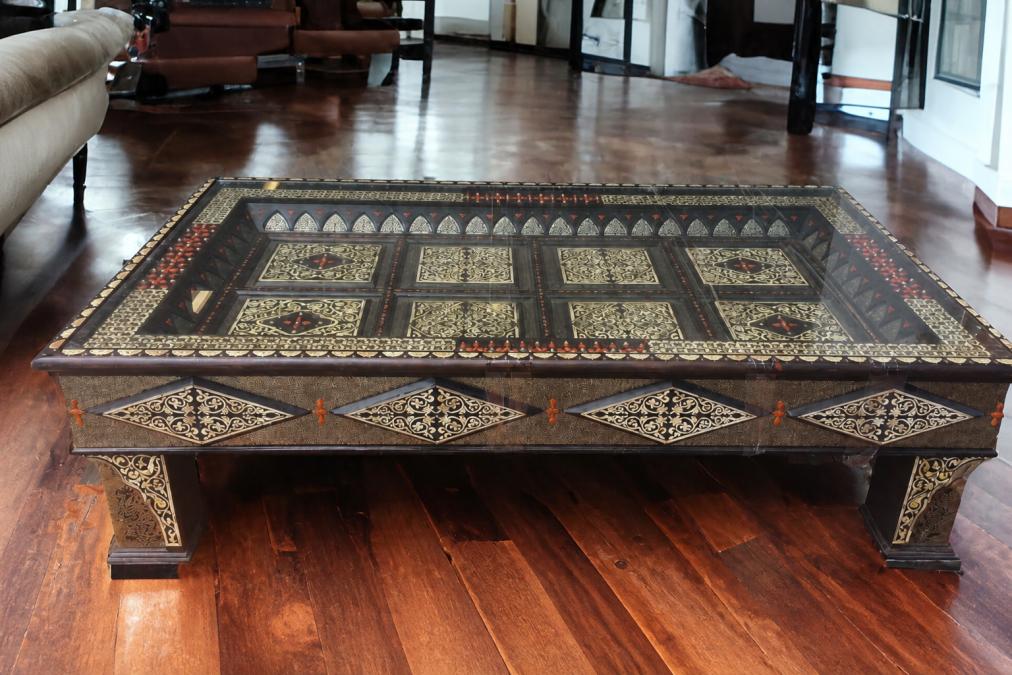
The cultural heritage embedded in these pieces adds another layer of worth. Moroccan craftsmanship carries centuries of tradition, refined techniques, and regional artistic identity. As global interest in authentic cultural aesthetics grows, demand for genuine artisanal work intensifies, and pieces that authentically represent this heritage command premium prices in secondary markets.
The Cultural Significance Behind Authentic Moroccan Craftsmanship
Understanding the cultural context transforms how you evaluate these pieces. Moroccan craftsmanship isn't a marketing term, it's a living tradition rooted in specific geographic regions, family workshops, and centuries-old techniques passed down through generations.
Moroccan artisanal traditions emerged from a convergence of Berber, Arab, and Islamic influences. Traditional weaving, zellige tilework, leather tanning, and woodworking developed as both functional and spiritual practices. The geometric patterns in hand-knotted rugs often reflect mathematical and spiritual principles, while intricate sfifa embroidery on leather pieces represents hours of meticulous handwork with no shortcuts possible.
This cultural authenticity directly influences investment value. A piece created within these traditional contexts by an artisan trained in family workshops using unchanged methods commands significantly more value than a piece that merely mimics the aesthetic. Master craftspeople spent years apprenticing, developing eye-hand coordination that machines cannot replicate and internalizing aesthetic principles that guide their creative decisions. A master weaver can adjust tension, color, and pattern in real-time based on how the piece develops, producing results that feel alive in ways mass production never achieves.
When you acquire handcrafted exquisite moroccan mirrors, statement pieces from authentic sources, you're supporting these artisan communities directly and acquiring pieces that carry genuine cultural weight rather than cultural appropriation. This authenticity matters both ethically and financially, collectors increasingly research provenance to ensure their purchases represent genuine tradition.
:::pro-tip Ask suppliers directly about artisan names, workshop locations, and specific techniques used. Legitimate sources can answer these questions with detail. Suppliers who cannot or deflect indicate mass-produced items marketed as artisanal. :::
Identifying Authentic vs. Mass-Produced Moroccan Items
The market contains a spectrum of products claiming Moroccan authenticity. Learning to distinguish authentic work from imitation directly impacts your investment returns, as a piece you pay premium prices for but which is actually mass-produced represents a significant loss.
Several markers separate authentic handcrafted moroccan statement pieces from factory-made alternatives:
Irregularity and variation signal handwork. Machine production creates perfect uniformity, while handmade items show natural variation, slight asymmetries in pattern, and inconsistent spacing in geometric designs. If a rug or textile looks flawlessly uniform, it was likely machine-made.
Material quality and weight matter significantly. Authentic pieces use substantial, high-quality materials, a hand-knotted rug feels dense and heavy, while a camel bone console has genuine weight and solidity. Mass-produced items often use lightweight substitutes or thin veneers to reduce manufacturing costs.
Tool marks and construction evidence reveal production methods. Handcrafted wooden pieces show evidence of hand-planing and carving marks. Look closely at joints, edges, and surfaces for evidence of hand tools rather than machine-finishing.
Natural material characteristics cannot be faked. Vegetable-tanned leather develops a unique patina over time, while bone and mother-of-pearl catch light differently than plastic substitutes. Wood grain patterns are genuinely unique.
Pricing reality matters too. Genuine handcrafted moroccan statement pieces require significant labor hours. If the price seems too low for the claimed craftsmanship level, it probably is.
How to Identify Authentic Moroccan Rugs and Textiles
Moroccan rugs and textiles deserve specific attention because they represent one of the most counterfeited categories in the market. Authentic hand-knotted Moroccan rugs display specific characteristics that reveal their origins:
Knot density and consistency vary naturally in handmade rugs. Count the knots per square inch on the back, handmade pieces typically show 100-200 knots per square inch with natural variation, while machine-made rugs show mechanical precision with identical knot density throughout.
Dye variations indicate natural dye sources. Traditional Moroccan textiles use vegetable dyes, indigo, madder, cochineal, and plant-based colorants that create subtle color variations. Synthetic dyes produce flat, consistent color.
Fringe construction differs between authentic and imitation pieces. Hand-knotted rugs have fringes that are integral to the weave, the unwoven warp threads at the ends, while machine-made rugs often have fringes that are glued or sewn on separately.
Selvage edges (the sides of the rug) reveal construction method. In handmade pieces, the selvage shows wrapping of weft threads around outer warp threads, creating a distinctive, slightly raised edge. Factory rugs show machine-stitched or glued edges.
Asymmetry in pattern appears naturally in handmade textiles. Traditional weavers work from memory or simple sketches, creating slight variations in pattern repetition. Machine production creates perfect pattern repetition.
Weight and handle indicate fiber quality. Authentic hand-knotted Moroccan rugs feel substantial and dense with natural, slightly textured fibers. Ask suppliers for documentation of origin, legitimate sources can provide information about the specific region, artisan or workshop, and approximate age.
Appraisal and Valuation Metrics for Statement Pieces
Understanding how handcrafted moroccan statement pieces are valued helps you make informed investment decisions and assess whether asking prices reflect fair market value.
Professional appraisal for decorative arts evaluates several dimensions: age and provenance, condition, rarity, market demand, and comparable sales data.
Age and provenance form the foundation of valuation. A piece documented as created in Morocco during the 1960s by a known artisan carries more value than an undocumented contemporary piece. Pieces with clear provenance often command 30-50% premiums over similar items without documented history.
Condition assessment directly impacts value. A perfectly preserved vintage Moroccan rug commands premium pricing, while the same rug with significant wear, stains, or damage loses substantial value.
Rarity and uniqueness drive value upward. One-of-a-kind pieces carry higher values than common designs. If the artisan is deceased or the workshop no longer operates, rarity increases.
Material quality affects valuation directly. Pieces created from premium materials, fine wool, genuine camel bone, and high-quality leather appraise higher than those using lesser materials.
Comparable sales analysis grounds valuations in market reality. Professional appraisers research recent sales of similar pieces to establish baseline values. Online auction results, gallery sales, and dealer listings provide data points.
Provenance and Certification: Building Your Investment Case
Provenance, the documented history of a piece's creation, ownership, and location, represents the most valuable asset you can acquire alongside handcrafted moroccan statement pieces. Strong provenance significantly increases both monetary value and investment security.
Building provenance begins at purchase. Request and preserve all available documentation: certificates of authenticity from the artisan or workshop, photographs of the piece in the maker's studio, written descriptions of materials and techniques, and any historical records of previous ownership.
Legitimate artisans and galleries provide certificates of authenticity with specific information: the artisan's or workshop's name, creation date or approximate era, materials used, dimensions, and distinguishing characteristics. Photographs documenting the piece during and after creation strengthen provenance significantly.
For pieces acquired secondhand, trace ownership history as far back as possible. Each documented ownership link strengthens the provenance chain. Consider professional certification for significant investments above $5,000, the certification itself becomes part of the piece's documented record and increases resale value.
When sourcing handcrafted moroccan statement pieces, insist on comprehensive documentation from your supplier. Established importers like Moroccan bedding provide detailed provenance information with each piece, including artisan details, material specifications, and creation methods, ensuring your investment is backed by transparent sourcing and authentication.
Caring for Artisanal Moroccan Wood Furniture and Metal Accents
Proper maintenance directly impacts both the aesthetic appeal and investment value of handcrafted moroccan statement pieces. Natural materials require specific care approaches that differ from mass-produced alternatives.
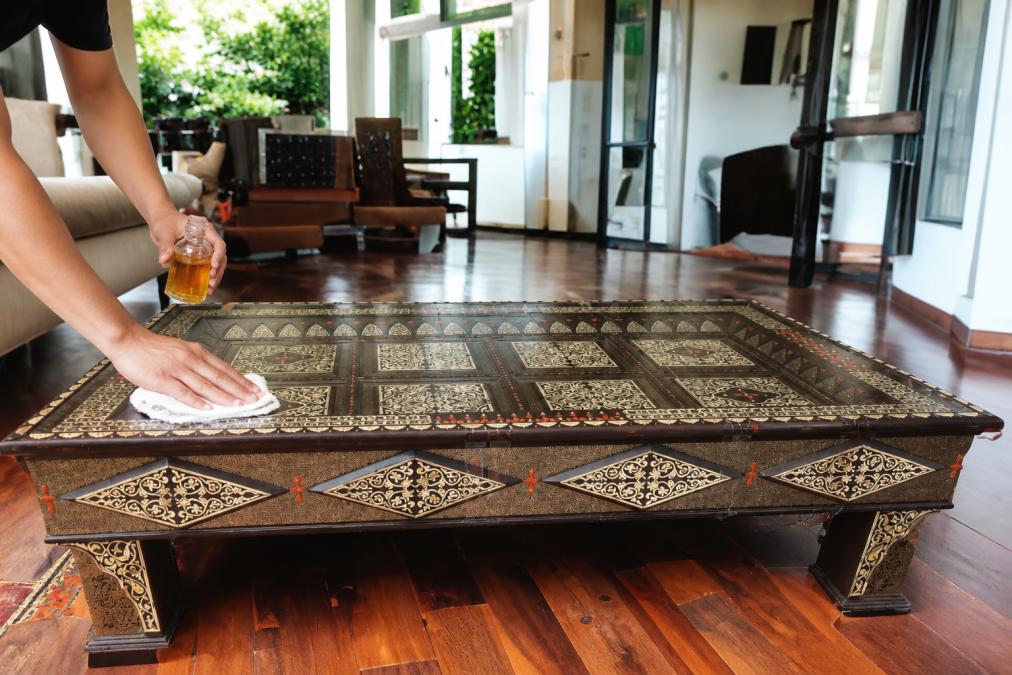
Wood furniture care begins with understanding the specific wood species and finish. Moroccan pieces often use cedar, walnut, or argan wood finished with natural oils or waxes. Dust regularly using soft, dry cloths and avoid commercial furniture polish. Instead, use specialized wood oils designed for natural finishes, applying sparingly with the grain. Every 6-12 months, apply a light coat of natural wax to maintain protection and patina.
Protect wood from excessive moisture and direct sunlight. High humidity can cause wood to swell and warp. Position pieces away from windows or use UV-filtering window treatments. Avoid placing furniture near heating vents or air conditioning units where temperature changes rapidly. Consistent temperature and moderate humidity (around 45-55%) preserve wood condition.
Metal accents and inlays require specific care. Moroccan pieces often feature brass, copper, or silver metalwork. Some patina is desirable, but excessive tarnishing requires intervention. Clean metal accents gently using soft cloths and minimal moisture. For tarnished brass or copper, use specialized metal polishes designed for decorative arts. In coastal or humid environments, wipe metal surfaces regularly with dry cloths.
Bone and mother-of-pearl inlays need gentle handling. Dust carefully around inlays and blot spills immediately with soft, dry cloths. Never soak bone or mother-of-pearl pieces in water. For stubborn stains, consult professional conservators.
Climate-specific care matters significantly. In dry climates, use humidifiers to maintain moderate humidity. In wet climates, prevent excess moisture from damaging wood and accelerating metal corrosion. In coastal environments, salt air requires more frequent cleaning and protective maintenance.
Styling Statement Pieces in Modern Interiors and Minimalist Spaces
The aesthetic challenge with handcrafted moroccan statement pieces lies in integrating them into contemporary interiors without creating visual chaos. Successful styling requires intentionality and restraint.
Moroccan design elements, intricate patterns, rich colors, ornate details, can overwhelm minimalist spaces if not carefully deployed. Treat these pieces as genuine statement elements rather than decorative clutter. A statement piece should command attention and anchor a room's design narrative, with everything else supporting that focal point.
In minimalist interiors, one substantial piece often works better than multiple smaller ones. A single hand-knotted Moroccan rug in a neutral room creates visual interest without clashing. Color coordination matters, if your rug features indigo and rust tones, select wall colors and furnishings in neutral creams, whites, or soft grays that let the rug dominate visually.
Lighting dramatically affects how handcrafted moroccan statement pieces appear. Warm, directional lighting highlights texture, pattern, and craftsmanship details. Consider installing accent lighting that specifically illuminates statement pieces and reveals their dimensional qualities.
Mixing Moroccan pieces with other design styles works when you maintain visual coherence. Pair a Moroccan rug with modern furniture in clean lines. Avoid clustering multiple ornate pieces in a single room, the visual noise becomes overwhelming. Instead, distribute statement pieces across different rooms to create a cohesive design narrative throughout your home.
Where to Source Authentic Handcrafted Moroccan Statement Pieces
Finding genuinely authentic pieces requires knowing where to source them and what questions to ask suppliers.
Direct artisan relationships provide the most authentic sourcing. Traveling to Morocco and working directly with artisans or established workshops ensures you're acquiring genuine handcrafted moroccan statement pieces. You can observe the creation process, verify materials and techniques, and build relationships that provide ongoing access to new pieces.
Established galleries and importers specializing in Moroccan goods offer curated selections with documented provenance. These suppliers have relationships with artisans, understand quality markers, and provide authentication and documentation. Just Morocco maintains direct relationships with master artisans and workshops throughout Morocco, offering custom furniture imports and ensuring every piece meets rigorous authenticity and quality standards.
Auction houses specializing in decorative arts occasionally feature Moroccan pieces, particularly vintage and antique items. Auction results provide transparent pricing data and documented provenance, though buyer's premiums (10-25% above hammer price) make them more suitable for acquiring specific rare pieces.
Online marketplaces present challenges and opportunities. Platforms like Etsy connect directly with individual artisans, but quality and authenticity vary dramatically. Request detailed photographs, specific material information, and direct communication with makers. Verify seller credentials and read reviews carefully.
Secondary markets, antique dealers, vintage furniture shops, and estate sales sometimes contain authentic vintage Moroccan pieces at reasonable prices. These pieces carry the advantage of documented age and often come with interesting provenance stories.
When evaluating any supplier, ask specific questions: Can they provide artisan information? Do they offer documentation and certificates of authenticity? Can they explain specific materials and techniques? What is their return policy? Legitimate suppliers answer these questions thoroughly.
Pricing varies significantly based on authenticity, age, materials, and craftsmanship level. Expect to pay premium prices for genuine handcrafted moroccan statement pieces. A quality hand-knotted rug costs $2,000-$8,000+ depending on size and complexity. A bone-inlaid console represents mid-range investment for authentic craftsmanship. Build relationships with suppliers you trust, repeat purchases from established sources reduce risk and often provide access to better pieces and pricing.
Investing in handcrafted moroccan statement pieces offers both aesthetic and financial rewards when approached thoughtfully. These are long-term assets that appreciate through authentic craftsmanship, cultural significance, and irreplaceable artistry. The challenge lies in navigating an increasingly complex market where mass production mimics authenticity convincingly.
Working with suppliers committed to authenticity and transparency ensures your investment holds and appreciates over time. Whether you're investing in a single transformative piece or designing a complete custom installation, prioritize documented provenance, verified artisan relationships, and comprehensive material specifications to build a collection that genuinely reflects the value and cultural significance of handcrafted moroccan statement pieces.
Frequently Asked Questions
What makes handcrafted Moroccan furniture a good investment?
Handcrafted Moroccan statement pieces appreciate over time due to their artisanal quality, cultural heritage, and scarcity. Unlike mass-produced items, authentic pieces gain value as they age, particularly when provenance is documented. The meticulous craftsmanship, whether in traditional weaving, bone inlay, or leather work, creates heirloom-quality pieces that appeal to collectors and designers. Items like camel bone tables or hand-knotted textiles represent both aesthetic and financial investments, especially when sourced from reputable artisans or importers.
How do you care for handcrafted Moroccan wood and leather pieces to preserve their value?
Proper maintenance directly impacts long-term value. For artisanal wooden furniture, dust regularly with a soft cloth and avoid direct sunlight, which fades natural finishes. Use wood conditioner quarterly to maintain the patina. For leather accents and vegetable-tanned leather goods, condition annually with natural oils and keep away from moisture and extreme heat. Metal inlays should be gently polished to prevent tarnishing. Store pieces in climate-controlled environments, humidity fluctuations damage hand-inlaid bone and intricate embroidery. Documentation of care extends both lifespan and resale appeal.
How can you tell if a Moroccan rug or textile is authentic?
Authentic Moroccan textiles show irregular patterns, hand-tied knots, and natural dye variations that mass production cannot replicate. Examine the back of the piece, handwoven items display visible knots and uneven weaving that reflects the artisan's hand. Authentic pieces often feature traditional motifs like geometric patterns, Berber designs, or intricate embroidery specific to regional traditions. Check for weight and density; genuine hand-knotted rugs feel substantial. Ask for provenance documentation, including the artisan's name or region of origin. Pricing below $500 for large pieces typically indicates synthetic production rather than traditional craftsmanship.
What climate-specific care do Moroccan pieces need in humid or coastal environments?
In humid climates or near coastal areas, handcrafted pieces face accelerated deterioration from moisture and salt air. Bone inlay and mother-of-pearl accents become brittle; wood swells and warps; metal corrodes. Use dehumidifiers to maintain 40-50% relative humidity indoors. Apply protective sealants to wood surfaces annually. For bone and shell inlays, avoid direct contact with salt spray and use air purifiers to reduce airborne salt particles. Store pieces away from windows and exterior walls. In high-humidity regions, professional climate control during storage is essential to preserve investment value.