

Table of Contents
- Understanding Bespoke Moroccan Decor and What to Expect
- How to Verify Artisan Quality Before Committing
- Step-by-Step Process for Ordering Custom Moroccan Decor
- Commissioning a Custom Moroccan Rug: Materials and Lead Times
- Understanding Moroccan Decor Shipping Costs and Logistics
- Managing Import Duties, Customs, and Delivery Timelines
- Care, Maintenance, and Climate Considerations for Handcrafted Pieces
- Conclusion
Last Updated: August 12, 2026
Understanding Bespoke Moroccan Decor and What to Expect
Bespoke Moroccan decor refers to handcrafted, custom-made pieces created specifically to your design specifications and spatial requirements, rather than mass-produced items. When you order bespoke Moroccan decor online, you're commissioning artisan-made furniture, textiles, tilework, and architectural elements that reflect traditional Moroccan craftsmanship while meeting your exact dimensions, color preferences, and functional needs.
The distinction matters because it changes everything about the ordering process. Mass-produced items arrive in weeks; bespoke pieces take months. Stock furniture comes in standard sizes; custom work adapts to your floor plans. Generic decor follows trends; artisan-made pieces become heirlooms. Understanding this upfront prevents frustration and sets realistic expectations for timeline, cost, and the collaborative design process ahead.
Justmorocco specializes in this custom approach, working directly with clients to transform kitchen and bathroom spaces, create statement furniture pieces, and commission architectural elements like hand-carved doors and mosaic fountains. Lead times reveal why bespoke work demands a different mindset. A hand-knotted rug takes weeks or months depending on size and knot density. Custom cabinetry with mother-of-pearl inlays requires artisans to hand-cut and fit each piece. Mosaic tile fountains demand skilled tilework that cannot be rushed. This isn't a flaw; it's the source of the quality and authenticity that makes the final piece worth the wait.
How to Verify Artisan Quality Before Committing
Before you invest in a custom Moroccan rug commission or any handcrafted piece, you need proof that what you're ordering is genuinely artisan-made and not mass-produced goods marketed as handcrafted. The market is flooded with factory-made items labeled as "authentic" or "artisanal."
Authentic handcrafted work leaves traces. Real hand-knotted rugs show inconsistencies in knot density that machines cannot replicate. When you examine photos or request samples, look for these variations rather than perfect uniformity. Perfect uniformity signals industrial production.
For furniture and cabinetry, request detailed production photos showing the artisans at work. Legitimate makers document their process because they're proud of it. Ask specifically about materials: Where does the wood come from? What type of bone or mother-of-pearl is used? How are dyes sourced for textiles? Vague answers suggest the maker doesn't actually control the supply chain.
Verify fair trade and ethical sourcing practices. Ask whether the maker can provide documentation of artisan partnerships or fair trade certification. Request references from previous clients who ordered custom pieces, asking about timeline accuracy, dimensional specifications, and how issues were handled. Examine the pricing structure, if the cost seems suspiciously low compared to competitors, the piece likely isn't as handcrafted as claimed.
Step-by-Step Process for Ordering Custom Moroccan Decor
The ordering process for bespoke Moroccan decor follows a structured path from initial vision to final installation. Understanding each step prevents miscommunication and ensures the finished piece matches your expectations.
Step 1: Define Your Design Vision and Space Requirements
Begin by collecting inspiration images from Pinterest, Instagram, design magazines, and websites. Save photos of color palettes, patterns, furniture styles, and architectural details that resonate with you. This visual reference library becomes your communication tool with the artisan.
Simultaneously, measure your space with precision. For rugs, note the exact dimensions you need in inches. For furniture, provide the specific footprint, height, and depth required. For architectural elements like custom doors or ceiling panels, share your floor plans and architectural drawings if available. Exact measurements are non-negotiable.
Document your functional requirements alongside aesthetic preferences. Will the rug withstand high foot traffic in an entryway, or will it be a focal point in a low-traffic living room? Does the custom cabinetry need to accommodate specific appliances or plumbing? These practical details influence material selection and construction methods.
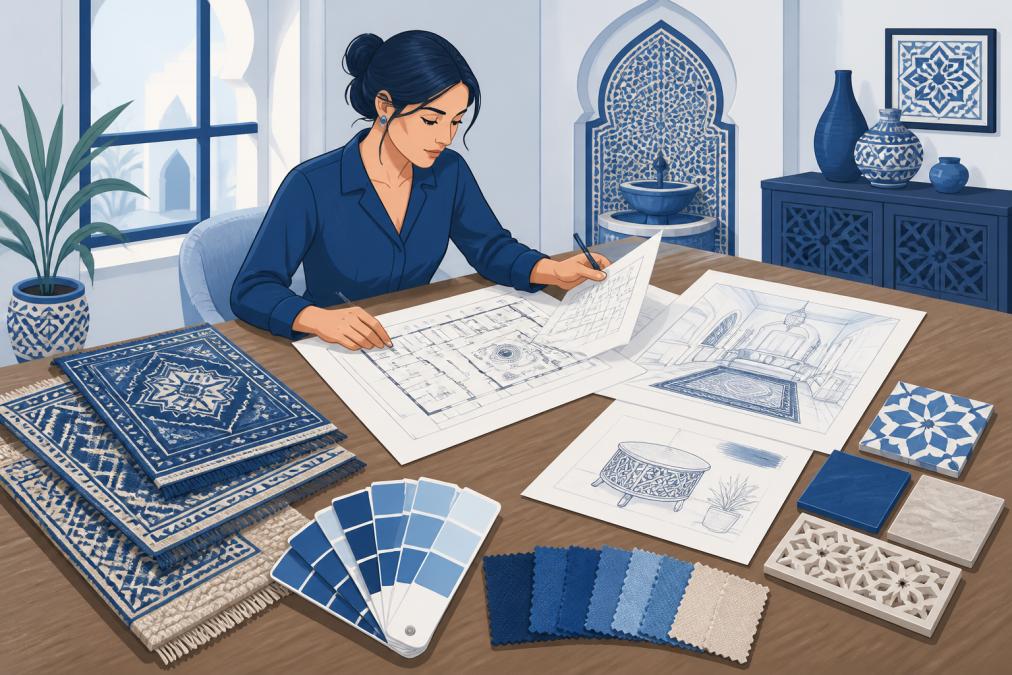
Create a design brief document that includes your inspiration images, exact measurements, functional requirements, preferred color palette, and any specific materials you want included.
Step 2: Communicate Specifications to Artisans
Submit your design brief to the maker using clear, specific language. Instead of "I want a Moroccan rug," say "I want a hand-knotted wool rug, 8 feet by 10 feet, with a navy blue base and cream geometric patterns, medium pile height suitable for a high-traffic living room."
Ask the maker to confirm they understand your specifications by summarizing them back to you. Request a timeline estimate for your specific piece, accounting for current production queue and your material selections.
Discuss material options in detail. For rugs, understand the difference between wool, silk, and cotton, and how each affects durability, appearance, and cost. For furniture, learn about wood types available and how they perform in different climates. For tilework, discuss glaze options and how they'll age. Establish communication protocols for updates and change requests during the months-long production process.
Step 3: Review Design Mockups and Approve Dimensions
The maker should provide mockups or detailed renderings showing your custom piece in context. For rugs, this might be a photo of a similar piece in a similar space, or a digital rendering showing your exact color and pattern combination. For furniture, request photos of comparable pieces or CAD renderings showing your exact dimensions.
This is your opportunity to catch any misunderstandings before production begins. If the mockup doesn't match your vision, request revisions now. Confirm dimensions one final time by reviewing the mockup measurements. A rug that's one foot too small or too large ruins the entire space.
Step 4: Confirm Timeline and Production Schedule
Get a written timeline with specific milestones. When does production begin? When will it be finished and ready to ship? What's the estimated shipping date? Ask about potential delays and the maker's policy if they need additional time. Confirm the total timeline from order to installation.
Commissioning a Custom Moroccan Rug: Materials and Lead Times
A custom Moroccan rug commission is one of the most popular bespoke orders because rugs are high-impact statement pieces that define a room's aesthetic. Hand-knotted rugs are created by artisans tying individual knots onto a loom, one at a time. The knot density, measured in knots per square inch, determines the rug's durability, texture, and detail level.
Wool is the most common material for Moroccan rugs because it's durable, naturally stain-resistant, and takes dye beautifully. Natural dyes produce colors that age gracefully, developing patina over decades. Silk adds luxury and sheen but is less durable for high-traffic areas.
The timeline for a custom Moroccan rug commission depends on several factors. A smaller rug (5x8 feet) with moderate knot density might take 8-12 weeks. A larger rug (9x12 feet) with high knot density could take 4-6 months or longer. Material sourcing adds time that many clients don't anticipate. If you've requested specific natural dyes or rare wool types, the maker may need to source materials before production begins, adding 2-4 weeks to the timeline.
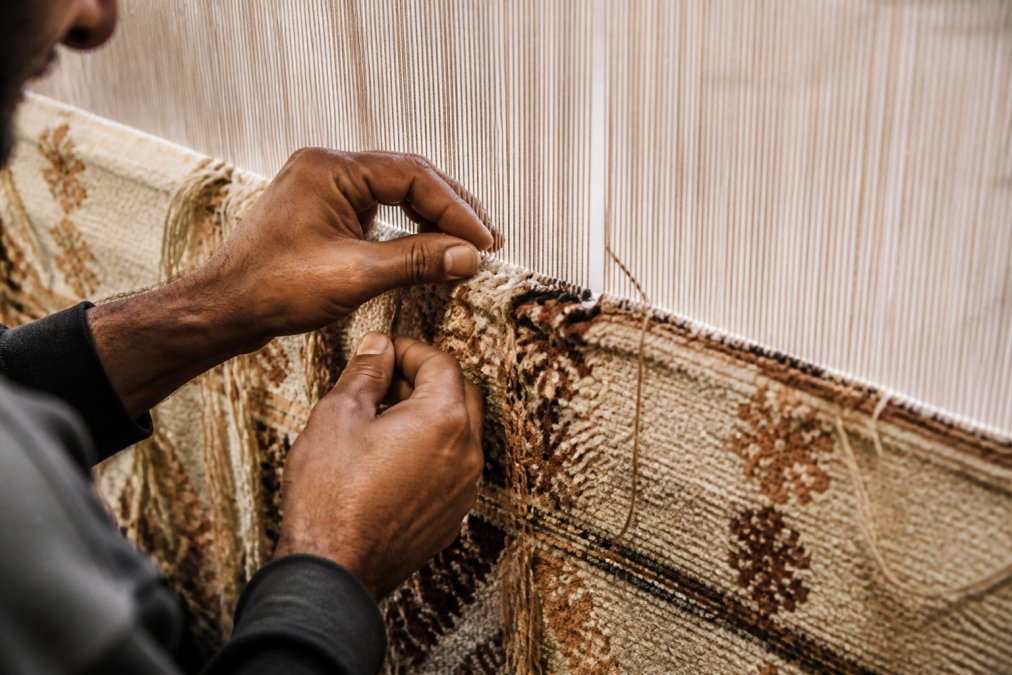
Quality assurance is built into the timeline. After the rug is completed, it's washed, dried, and inspected for quality before shipping, taking another 1-2 weeks.
Understanding Moroccan Decor Shipping Costs and Logistics
Shipping handcrafted Moroccan pieces across the country presents unique challenges because these items are fragile, valuable, and often large. Shipping costs depend on weight, dimensions, and destination. A hand-knotted rug weighs significantly more than expected; a 9x12 foot wool rug can weigh 80-120 pounds. These weights drive up shipping costs substantially. A rug that costs $3,000 might incur $500-$1,200 in shipping depending on your location.
Distance matters considerably. Shipping to coastal areas typically costs more than shipping to central regions. International shipping from Morocco to the United States adds complexity and cost compared to domestic shipping.
Specialty carriers experienced with fine art and handcrafted goods provide better protection and insurance options but charge premium rates. Ask your maker which carriers they typically use and whether they have preferred partnerships that offer better rates.
Insurance is essential. Handcrafted pieces are valuable and irreplaceable if damaged in transit. Confirm that shipping includes full-value insurance. Moroccan rugs should be rolled and wrapped in protective materials, not folded. Furniture should be crated with padding and bracing to prevent shifting during transport.
Managing Import Duties, Customs, and Delivery Timelines
Ordering Moroccan decor from artisans abroad introduces customs and import considerations that domestic orders don't involve. Import duties apply to goods entering the United States. The duty rate depends on the item classification and material composition. Handcrafted furniture, rugs, and tilework typically fall under different duty categories, each with different rates. A hand-knotted rug might face a 15-20% duty, while certain wood furniture might be 10-15%.
Customs clearance adds time to your delivery. After your piece arrives at a United States port, it must clear customs inspection. This process typically takes 3-7 business days but can extend longer if the item requires additional documentation or inspection.
Landed cost includes the purchase price plus shipping, insurance, and duties. Request a total landed cost estimate from your maker before finalizing your order. Your maker should provide detailed invoices, material descriptions, and origin documentation for smooth customs clearance.
Consider hiring a customs broker if you're ordering multiple pieces or high-value items. A broker navigates the import process, handles documentation, and often has relationships with customs officials that expedite clearance. The broker fee (typically 1-2% of the item's value) is often worth the time and stress saved.
Care, Maintenance, and Climate Considerations for Handcrafted Pieces
Handcrafted Moroccan pieces are investments that require appropriate care to maintain their beauty and durability for decades. Hand-knotted rugs need regular vacuuming to prevent dirt from settling into the pile. Use a gentle vacuum without a beater bar, or a handheld vacuum. Rotate your rug 180 degrees every 6-12 months to ensure even wear. Professional cleaning every 3-5 years keeps the rug fresh and extends its life.
Natural fiber rugs respond to humidity and temperature changes. Wool absorbs and releases moisture naturally, which can cause slight size fluctuations in very humid or very dry climates. Coastal areas with salt air may require more frequent professional cleaning. Desert climates with very low humidity can cause wool to become brittle if not properly humidified.
Handcrafted wood furniture requires appropriate wood oil or conditioner to prevent drying and cracking, particularly in low-humidity environments. Avoid placing wooden pieces in direct sunlight, which can fade finishes and cause wood to warp. Mother-of-pearl and bone inlays are delicate and require gentle care. Dust with a soft cloth rather than harsh cleaners. Mosaic tilework and fountains need regular cleaning to prevent mineral buildup from water.
Keep your home at relatively consistent temperature and humidity levels. If you live in a climate with dramatic seasonal changes, be prepared for slight shifts in wood furniture or rug dimensions as materials naturally respond to environmental changes. Professional restoration is available if your pieces sustain damage over time. Rug restoration specialists can repair worn areas, restitch loose knots, and refresh colors. Furniture restoration experts can repair wood, refinish surfaces, and replace inlays.
Ordering bespoke Moroccan decor online requires patience, clear communication, and realistic expectations about timelines and costs. The process differs fundamentally from purchasing mass-produced items because you're collaborating with artisans to create something uniquely yours. Justmorocco specializes in guiding clients through this custom ordering journey, from initial design consultation through final installation. Their expertise in hand-knotted rugs, custom cabinetry, and artisan-made furniture ensures your vision becomes reality. Start your custom project by connecting with Justmorocco to discuss your design goals, timeline, and specific requirements for your space.
Frequently Asked Questions
How do I ensure the quality of bespoke Moroccan furniture online?
Request detailed photos of the artisan's previous work, ask for certifications or documentation of handcrafted production, and verify authenticity through direct communication with the maker. Ask specific questions about materials, construction methods, and whether pieces are hand-knotted, hand-carved, or hand-woven. Reputable vendors provide transparency about their sourcing and craftsmanship, often sharing videos or process documentation. Always request a design mockup before production begins, and confirm that your custom order includes quality assurance checkpoints.
What should I know about import duties when ordering custom decor?
Import duties vary based on the product classification, material composition, and total shipment value. Handcrafted items may qualify for different duty rates than mass-produced goods. Most vendors handle duty calculations at checkout or provide estimates upfront. The total landed cost includes the product price, shipping, and applicable tariffs. Consult your vendor about duty responsibility, some include it in the quote, others pass it to you at delivery. Request a detailed invoice breakdown so you understand all costs before finalizing your order.
How long does it typically take to receive a custom Moroccan rug commission?
Lead times for hand-knotted or hand-woven rugs typically range from 8 to 16 weeks, depending on size, complexity, and artisan workload. Custom dimensions and intricate patterns may extend timelines. Once production is complete, add 2 to 4 weeks for international shipping and customs clearance. Discuss your deadline upfront with the vendor, some artisans prioritize rush orders for additional fees. Plan your project timeline with a buffer of at least 4 to 6 months for custom rug commissions to account for production and shipping variables.
What are the typical costs associated with Moroccan decor shipping?
Shipping costs for Moroccan decor depend on item weight, dimensions, fragility, and delivery distance. Handcrafted pieces with mother-of-pearl inlays, mosaic tiles, or carved wood require specialized packaging and insurance, which increases costs. International shipping for large furniture may range significantly based on carrier and service level. Request a shipping quote from your vendor that specifies whether insurance, packaging, and handling are included. Some vendors offer consolidated shipping discounts for multiple items. Always confirm shipping costs before finalizing your order, as they can substantially impact your total investment.