
Table of Contents
- What Makes Authentic Moroccan Home Decor Online Worth the Investment
- Handcrafted Moroccan Furniture: Beds, Tables & Custom Cabinetry
- Authentic Moroccan Rugs and Carpets: Handwoven Textiles
- Traditional Moroccan Lighting and Lanterns: Brass & Glass
- Moroccan Ceramics, Pottery & Tiles: Vibrant Patterns & Mosaics
- Poufs and Leather Goods: Boho-Chic Accents
- Care, Maintenance & Climate Considerations for Moroccan Pieces
- Ethical Sourcing and Fair Trade: What to Look for Online
Authentic Moroccan Home Decor Online: A 2026 Buyer's Guide
Last Updated: July 26, 2026
When you invest in an authentic moroccan home decor online store, you're acquiring pieces that carry centuries of artisanal tradition into your living space. At Justmorocco, we've curated handcrafted Moroccan furniture and home decor that transforms ordinary rooms into luxurious sanctuaries. This guide walks you through sourcing authentic pieces, understanding what separates genuine artisanal work from mass-market imitations, and styling your home with timeless Moroccan elegance.
What Makes Authentic Moroccan Home Decor Online Worth the Investment
Authentic Moroccan home decor differs fundamentally from generic bohemian furniture. The distinction lies in craftsmanship, materials, and cultural integrity. Handcrafted pieces feature bone-inlay work, hand-carved wood, traditional metalwork, and handwoven textiles that industrial production cannot replicate.
The investment makes sense for three reasons. First, authenticity commands longevity, a handcrafted Moroccan table with mother-of-pearl inlay outlasts five mass-produced alternatives. Second, these pieces appreciate in value within design communities. Third, rooms styled with genuine Moroccan pieces read as intentional and curated, not trendy or temporary.
What separates an authentic moroccan home decor online store from competitors is the sourcing model. Direct partnerships with Moroccan artisans and cooperatives ensure fair wages, preserve traditional techniques, and guarantee that each piece carries genuine cultural significance.
Handcrafted Moroccan Furniture: Beds, Tables & Custom Cabinetry
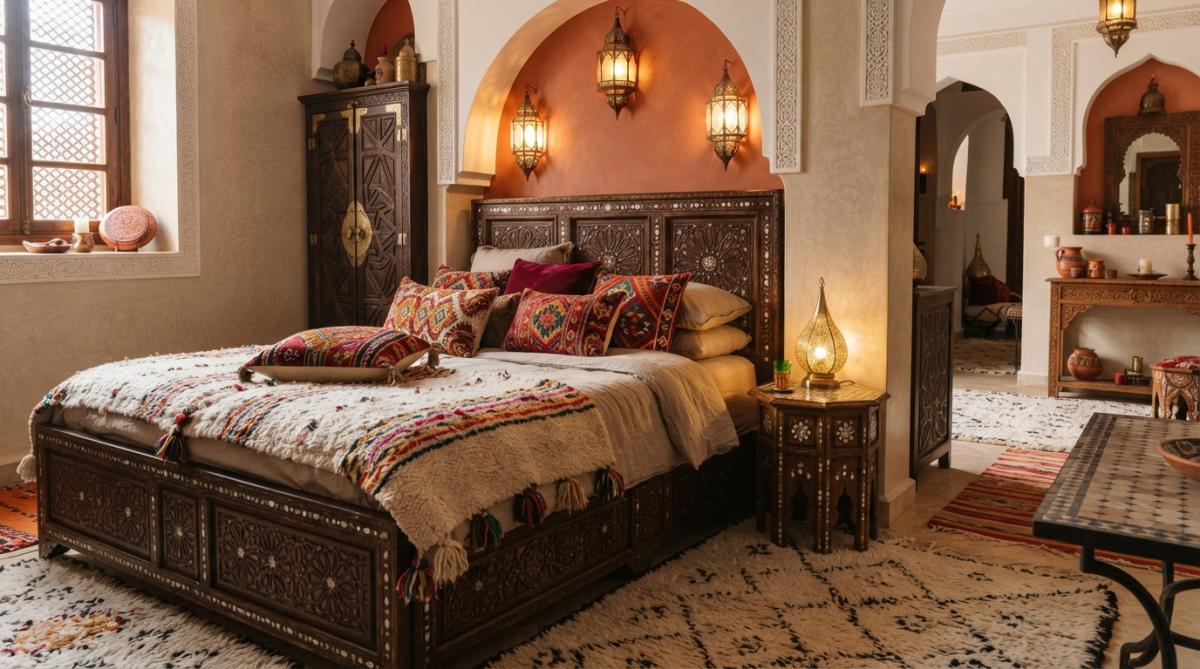
Moroccan furniture demands visual impact and textural richness through carved wood, inlaid bone, brass accents, and geometric patterns. Beds feature ornate wooden headboards with intricate lattice work or mother-of-pearl inlays. Tables showcase bone-inlay designs in star patterns and geometric borders. Custom cabinetry integrates Moroccan aesthetics into kitchens and bathrooms while maintaining modern functionality.
Justmorocco specializes in custom kitchen and bathroom remodeling projects that blend traditional Moroccan artistry with contemporary requirements. Custom work ensures that cabinetry, doors, and fixtures reflect Moroccan design language while meeting current building codes and appliance dimensions.
The bone-inlay and mother-of-pearl technique requires skilled craftspeople who hand-cut bone or shell into precise geometric shapes, then inlay them into wood using traditional adhesives. A single table can take 40-60 hours of skilled work, creating furniture that catches light differently depending on the angle.
Mother-of-Pearl Inlay & Bone-Inlay Pieces
Mother-of-pearl and bone-inlay work represents the pinnacle of Moroccan furniture craftsmanship. Shell or bone is cut into geometric shapes, stars, diamonds, and flowers, then carefully glued into recessed areas of solid wood, creating an iridescent shimmer that changes throughout the day.
Quality bone-inlay pieces are distinguishable by several markers. The inlay should sit flush with the wood surface. The adhesive should be invisible with no excess glue around edges. The wood base should be substantial hardwood, walnut, cedar, or acacia, not plywood. Justmorocco sources pieces where master craftspeople complete all inlay work by hand, ensuring precision and authenticity.
Bone-inlay furniture pairs beautifully with contemporary minimalism, mid-century modern, and industrial design. A bone-inlay console table grounds a modern entryway. A mother-of-pearl side table adds sophistication to a contemporary bedroom. Restraint prevents visual chaos, one statement piece per room works best.
Custom Kitchen & Bathroom Remodeling
Custom Moroccan kitchen and bathroom projects require collaboration between homeowners, architects, and artisans to ensure traditional aesthetics integrate seamlessly with modern systems. Moroccan kitchens feature hand-painted tile backsplashes, carved wooden cabinetry doors with brass hardware, and custom lighting. Bathrooms incorporate mosaic tile work, carved wooden vanities, and brass or copper fixtures referencing traditional hammams.
A full kitchen remodel with custom cabinetry typically requires 4-6 months from design approval to installation. Bathroom projects run 2-4 months. These timelines reflect that each piece is handcrafted, not manufactured.
Authentic Moroccan Rugs and Carpets: Handwoven Textiles
Moroccan rugs, handwoven by Amazigh (Berber) women using traditional techniques, feature bold geometric patterns, vibrant colors, and tactile qualities that machine-made alternatives cannot replicate. Each rug is unique, variations in dye lot, knot tension, and pattern interpretation mean no two pieces are identical.
Authentic stores source rugs directly from weaver cooperatives in regions like the Atlas Mountains, ensuring fair wages and preserving traditional techniques. Moroccan rugs fall into several categories: Beni Ourain rugs feature neutral tones with geometric patterns; Azilal rugs display vibrant colors and abstract designs; Kilim rugs are flat-woven without pile; vintage rugs command premium prices because they've undergone natural color settling.
(/products/moorish-hand-painted-dresser)]When evaluating rug authenticity, examine the back. Handwoven rugs show irregular knot patterns and visible warp threads; machine-made rugs display uniform patterns. Authentic wool rugs are substantial, typically 8-12 pounds for a 5x8 rug. Evaluate the quality of wool, weave precision, and documentation of origin rather than comparing prices across retailers.
Traditional Moroccan Lighting and Lanterns: Brass & Glass
Moroccan lighting fixtures create ambiance through perforated brass work and colored glass. Light passes through geometric cutouts, casting intricate shadow patterns across walls and ceilings. This interplay of light and shadow transforms a room's atmosphere as natural light angles change throughout the day.
Authentic brass lanterns are handcrafted by metalworkers using traditional techniques. Brass is hammered and shaped, then hand-pierced to create patterns. Colored glass, typically amber, red, blue, or green, is cut and fitted into brass frames, creating functional light fixtures that double as sculptural art.
According to Edken Lights' 2026 collection analysis, handmade Moroccan lighting fixtures integrate traditional artisan processes with contemporary design, combining premium brass with modern electrical systems. Moroccan lighting comes in several forms: pendant lights work well over dining tables; wall sconces flank mirrors; table lamps add ambient lighting; hanging lanterns work beautifully on patios.
Professional installation ensures safety and code compliance. Justmorocco specializes in custom lighting solutions that maintain traditional aesthetics while meeting all electrical standards.
Moroccan Ceramics, Pottery & Tiles: Vibrant Patterns & Mosaics
Moroccan ceramics and pottery feature handpainted plates, bowls, and vessels with intricate geometric patterns, floral motifs, and vibrant colors applied over glazed earthenware. Artisans hand-throw clay on wheels, then hand-paint each piece with traditional patterns. Variations across pieces indicate authenticity; perfect uniformity indicates industrial production.
Moroccan tiles, called zellige, are hand-cut from glazed earthenware, then arranged into complex geometric mosaics. The patterns are mathematical, stars, hexagons, and interlocking shapes create tessellations that appear to extend infinitely. Zellige work requires master craftspeople who understand both geometric principles and practical tile-cutting constraints.
Mosaic Tile Fountains & Decorative Accents
Mosaic tile fountains represent the ultimate expression of Moroccan tile artistry. These functional art pieces combine zellige tilework with water features, creating focal points that engage multiple senses. A traditional fountain features a central basin surrounded by mosaic tilework with water circulating through a concealed pump system.
Mosaic tile fountains require regular maintenance to prevent algae growth. In cold climates, winterization prevents freeze damage. Indoors, proper drainage prevents water damage to floors. A well-maintained fountain becomes a conversation piece that elevates an entire space.
Decorative tile accents extend beyond fountains. Mosaic tile mirrors feature zellige work around wooden or metal frames. Tile-topped side tables combine functional furniture with artistic tilework. Wall installations create feature walls that anchor rooms.
Poufs and Leather Goods: Boho-Chic Accents
Moroccan poufs function as seating, footrests, side tables, or sculptural accents. Handcrafted leather poufs feature hand-stitched seams, natural leather patina, and geometric patterns created through leather tooling or appliqué. Wool poufs offer softer textures and lighter weight. Kilim poufs combine flat-woven textiles with leather bases.
Quality leather poufs show genuine leather developing patina over time, irregular hand-stitched seams, and substantial filling that maintains shape. According to Marrakeche Crafts' artisan partnership model, handcrafted Moroccan poufs created through direct partnerships with master artisans ensure fair wages and preserve traditional leatherworking techniques.
Beyond poufs, Moroccan leather goods include babouches (traditional slippers), leather bags, and decorative wall hangings. A leather pouf paired with a kilim rug and brass lanterns creates a cohesive design narrative.
| Item | Best For | Durability | Maintenance |
|---|---|---|---|
| Leather Pouf | Seating, footrest, accent | 5-10+ years | Occasional leather conditioning |
| Wool Pouf | Lighter seating, texture | 3-7 years | Spot cleaning, professional washing |
| Kilim Pouf | Visual interest, boho style | 5-8 years | Gentle vacuuming, spot cleaning |
| Leather Bags | Storage, display | 7-15+ years | Leather conditioning, dust storage |
Care, Maintenance & Climate Considerations for Moroccan Pieces
Authentic Moroccan furniture requires thoughtful care to preserve beauty and structural integrity. Climate, humidity, and environmental factors significantly impact how pieces age.
Wooden pieces are sensitive to humidity fluctuations. Wood expands in humid conditions and contracts in dry conditions. Extreme swings cause warping, cracking, and joint separation. Maintain consistent indoor humidity between 40-60 percent using humidifiers in dry climates and dehumidifiers in humid regions. Position furniture away from direct sunlight and heat sources like fireplaces, radiators, or air vents.
Mother-of-pearl and bone-inlay pieces require special attention. The inlay can shift if the wood base warps. Clean inlaid surfaces gently with soft cloths and mild soap solutions. Avoid harsh chemicals or abrasive cleaners. Never submerge inlaid furniture in water. Consult a furniture conservator for damage rather than attempting DIY repairs.
Moroccan rugs benefit from regular vacuuming to remove dust. Rotate rugs quarterly for even wear. Avoid high-traffic areas where foot traffic causes accelerated wear. Blot spills immediately with clean cloth; never rub. Professional rug cleaners familiar with handwoven textiles should handle deep cleaning.
Leather poufs and goods develop patina over time. Condition leather occasionally with leather balm to prevent cracking. Store leather items in cool, dry environments away from direct sunlight. Allow wet leather to dry naturally at room temperature, never use heat sources.
Ceramic and tile pieces can chip or crack if dropped. Display ceramics on stable surfaces away from high-traffic areas. Ensure proper tile installation with appropriate grout and sealant. Seal grout annually to prevent moisture infiltration.
Brass lighting fixtures develop patina over time. Clean brass with brass polish or a lemon juice and baking soda mixture. Avoid abrasive scrubbers that scratch the surface.
Ethical Sourcing and Fair Trade: What to Look for Online
The authentic moroccan home decor online market includes retailers operating across a spectrum of ethical practices. Some importers work directly with artisans and cooperatives, ensuring fair wages and transparent sourcing. Others source from middlemen who may not prioritize artisan welfare.
Fair trade certification provides one transparency marker. Organizations like Fair Trade USA certify products meeting specific labor and environmental standards. However, not all ethical retailers pursue formal certification; some maintain direct relationships and provide transparency through documentation.
Direct partnerships between importers and artisans offer another indicator of ethical sourcing. When retailers can name specific cooperatives, regions, or artisans producing their pieces, it demonstrates genuine relationships. Retailers like Salam Hello's Amazigh artisan partnerships explicitly document direct collaborations with specific weaver communities.
Ask retailers specific questions about sourcing: Where are pieces made? Who crafted them? What wages do artisans receive? How do you ensure safe working conditions? Legitimate importers answer directly. Evasive responses should raise concerns.
Environmental considerations matter alongside labor practices. Sustainable sourcing means using natural dyes, harvesting materials responsibly, and minimizing waste. Retailers committed to environmental responsibility communicate this clearly.
Pricing reflects ethical sourcing. Fair trade and direct partnership models typically result in higher retail prices. Suspiciously low prices often indicate corners cut somewhere, lower artisan wages, inferior materials, or inaccurate authenticity claims.
Supporting ethical sourcing creates positive ripple effects. Fair wages make the profession viable for younger generations, preserving traditional crafts.
Investing in authentic Moroccan home decor transforms your space into a reflection of timeless artistry and cultural heritage. Justmorocco addresses this through custom kitchen and bathroom remodeling services, mother-of-pearl inlay furniture, and mosaic tile installations that bring Moroccan sophistication to American homes. When you work with experienced importers prioritizing transparent sourcing and direct artisan partnerships, you acquire pieces that appreciate in value while supporting the craftspeople who create them.
Frequently Asked Questions
How do I know if Moroccan home decor online is actually handcrafted and authentic?
Authentic pieces show signs of individual artisan work: slight variations in patterns, natural material imperfections, and unique details that mass-produced items lack. Reputable retailers provide artisan information, sourcing transparency, and often include certificates of authenticity. Ask for photos of the maker, details about production methods, and whether pieces are made-to-order or vintage. Handcrafted items typically cost more than factory-made alternatives, if the price seems too low, it likely isn't authentic.
What should I look for in ethical sourcing when buying authentic Moroccan home decor online?
Ethical retailers partner directly with artisans, offer fair wages, and preserve traditional techniques. Look for transparency about who makes the pieces, fair trade certifications, and whether the company supports cooperatives or individual makers. Many authentic Moroccan home decor online stores now publish sourcing stories and artisan partnerships. Check if the retailer supports sustainable practices and gives back to Moroccan communities. This ensures your purchase supports real artisans rather than exploitative supply chains.
Will handcrafted Moroccan pieces hold up in humid coastal climates like Florida?
Quality handcrafted Moroccan furniture can withstand humid climates if properly maintained. Leather poufs and bone-inlay pieces need regular conditioning to prevent moisture damage. Ceramics and tiles are naturally moisture-resistant. Textiles and rugs require climate control and occasional professional cleaning. Ask retailers about climate-specific care recommendations for your region. Many authentic Moroccan home decor online stores ship to coastal states and can advise on protective treatments. Avoid pieces with untreated wood in high-humidity areas without proper sealing.
How can I style authentic Moroccan home decor in a small apartment or condo?
Focus on statement pieces rather than filling space: a single handwoven rug, one carved wooden door panel, or a brass lantern creates impact without clutter. Use vertical space with wall-mounted ceramics or lighting. Poufs serve double duty as seating and storage. Layer textiles strategically, one kilim throw, one patterned pillow, to avoid overwhelming small rooms. Mirrors and brass accents reflect light and add elegance. Choose a cohesive color palette (typically jewel tones and earth tones) to maintain flow. Quality over quantity works best in compact spaces.
What's the typical timeline for custom Moroccan kitchen or bathroom remodeling projects?
Custom projects vary based on scope and complexity. Simple updates (lighting, tiles, accessories) may take 4-8 weeks. Full kitchen or bathroom remodels with handcrafted cabinetry typically require 3-6 months from design approval to installation. Handcrafted pieces are made-to-order, adding production time. Delays can occur if custom dimensions need adjustment or if imported materials face shipping delays. Discuss timelines upfront with your retailer, especially if you have seasonal deadlines. Building in a 2-4 week buffer is wise for authentic Moroccan home decor projects.